

Fall Home Maintenance Checklist
The first cold snap of October shows a house’s weak spots. The furnace kicks on after months of rest. Leaves pile up by the foundation, and every draft ignored in August suddenly makes itself known.
A solid fall home maintenance checklist turns that first freeze from a worry into a non-event. Most of the jobs below take a single weekend. All you need is a ladder and basic tools, and they protect the roof, the pipes, and the heating system all winter.
Start outside and work in, or tackle the tasks in any order you like. What matters is that the house is buttoned up before the first hard freeze arrives.
Clear the Gutters and Downspouts
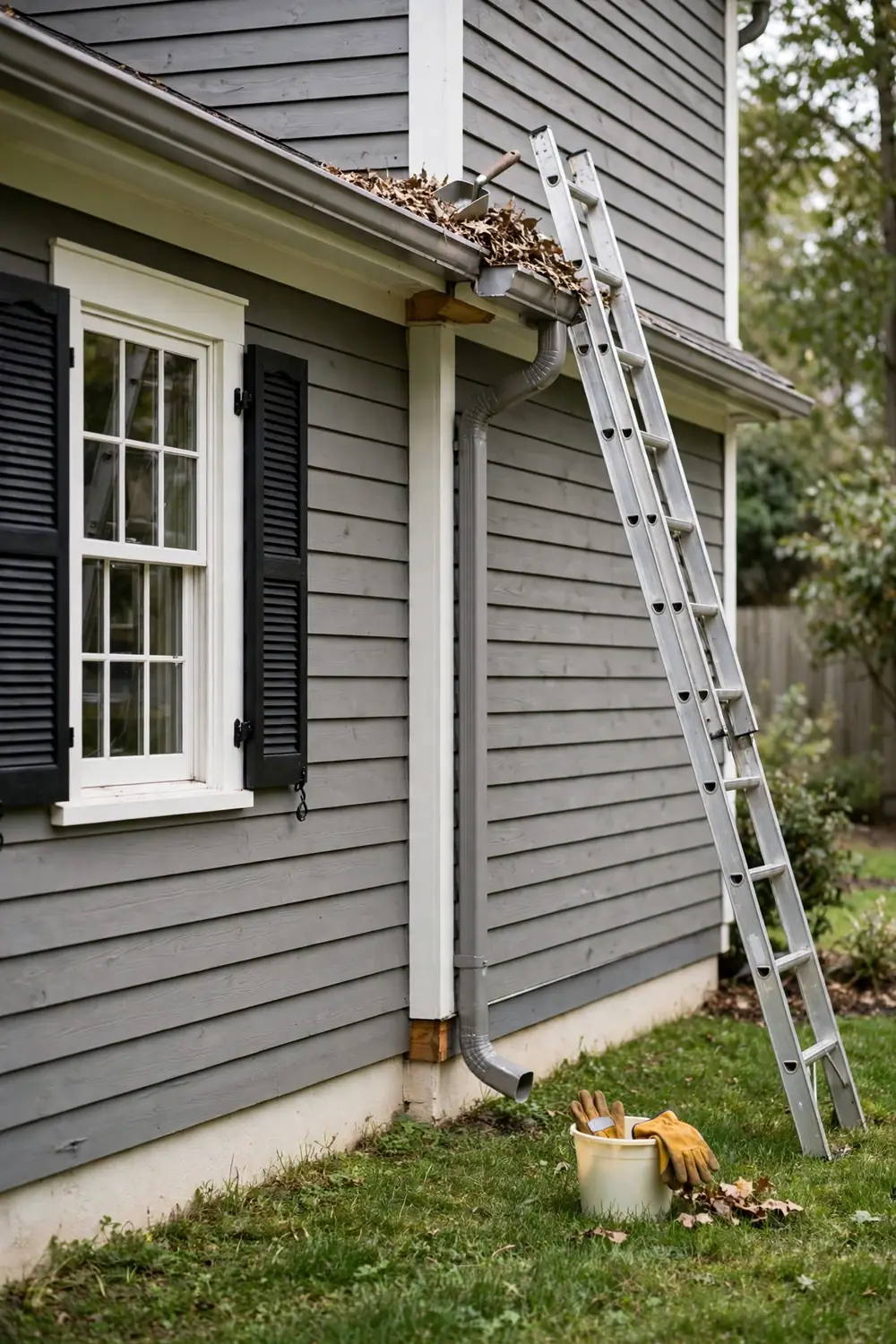
Wait until most of the leaves are down, then clean the gutters before winter. Scoop out debris with gloved hands or a plastic gutter scoop. Flush the trough with a garden hose to push out the last of the grit. Watch the water as it moves: it should flow toward the downspouts without pooling.
Check each downspout for clogs by running water through it. Make sure it carries water at least three feet from the house, using an elbow or extension. Tighten loose brackets and fix sagging sections so the slope stays right. If trees hang over the roof, think about gutter guards after the cleaning. A quick check now helps stop ice dams later in the season. This small job takes an afternoon and pays off all winter.
Inspect the Roof and Attic
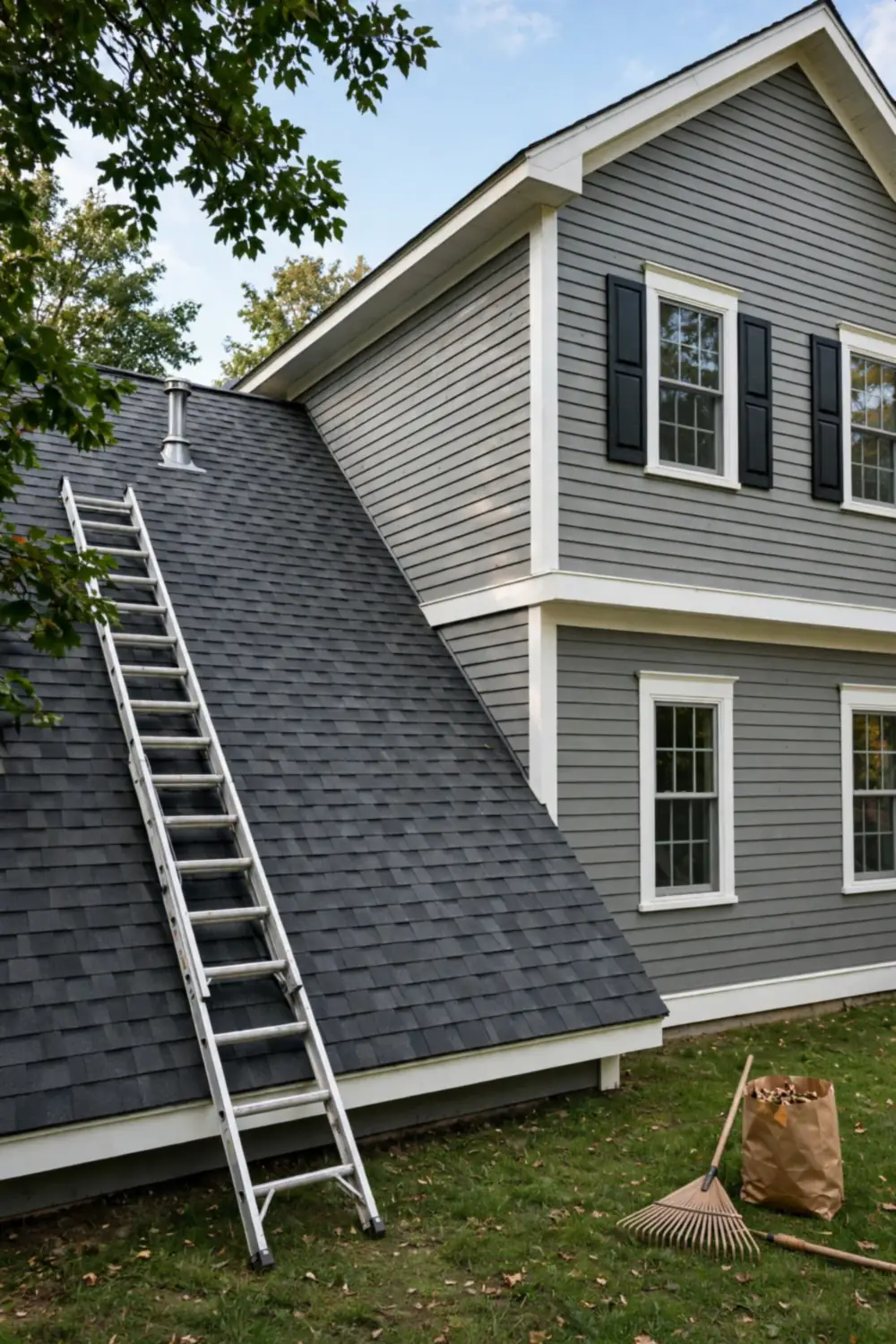
Stand on the ground with binoculars and scan the whole roof. Look for shingles that are missing or damaged. Check the flashing around vents, skylights, and the chimney for gaps or rust. If you can safely reach the roof edge by ladder, clear leaves and sticks from the valleys.
Then head into the attic on a dry day and look for signs of leaks. Watch for water stains under the roof boards, damp patches, or daylight showing through. Good attic airflow keeps the roof cold and even in winter, which stops ice dams. Trim branches that touch or hang over the roof. Leave actual repairs to a roofer if heights make you nervous. Catching a small leak now saves the ceiling later.
Service the Heating System

Book a furnace tune-up early each fall, before techs get booked solid. A pro cleaning and safety check keeps the system running well. It also spots worn parts before the coldest nights arrive.
Between visits, change the furnace filter every one to three months while the heat is on. Keep a spare on the shelf so the swap takes five minutes. Set the thermostat and confirm heat comes on in every room. Bleed radiators that stay cold at the top. Move furniture and rugs away from vents so warm air can flow. Clear stored paint and boxes from around the furnace. If the system is more than fifteen years old, ask the tech to check carbon monoxide levels at the visit.
Seal Drafts Around Windows and Doors

On a windy day, run your hand slowly around each window frame and door edge. Feel for the cold air slipping in through gaps. Replace worn door and window seals. Press new foam or V-strip into the channels so the sash shuts tight. A door that will not latch tight often just needs a new sweep on the bottom.
Seal gaps in the old caulk around window trim with a fresh bead. Smooth it with a wet finger for a clean line. Lock every window fully, since the lock pulls the sash tight against the seal. For single-pane windows, stick-on window film adds an extra layer on the coldest walls. A tube of caulk and new door seals usually cost less than one high heating bill.
Shut Off Outdoor Water and Store Hoses
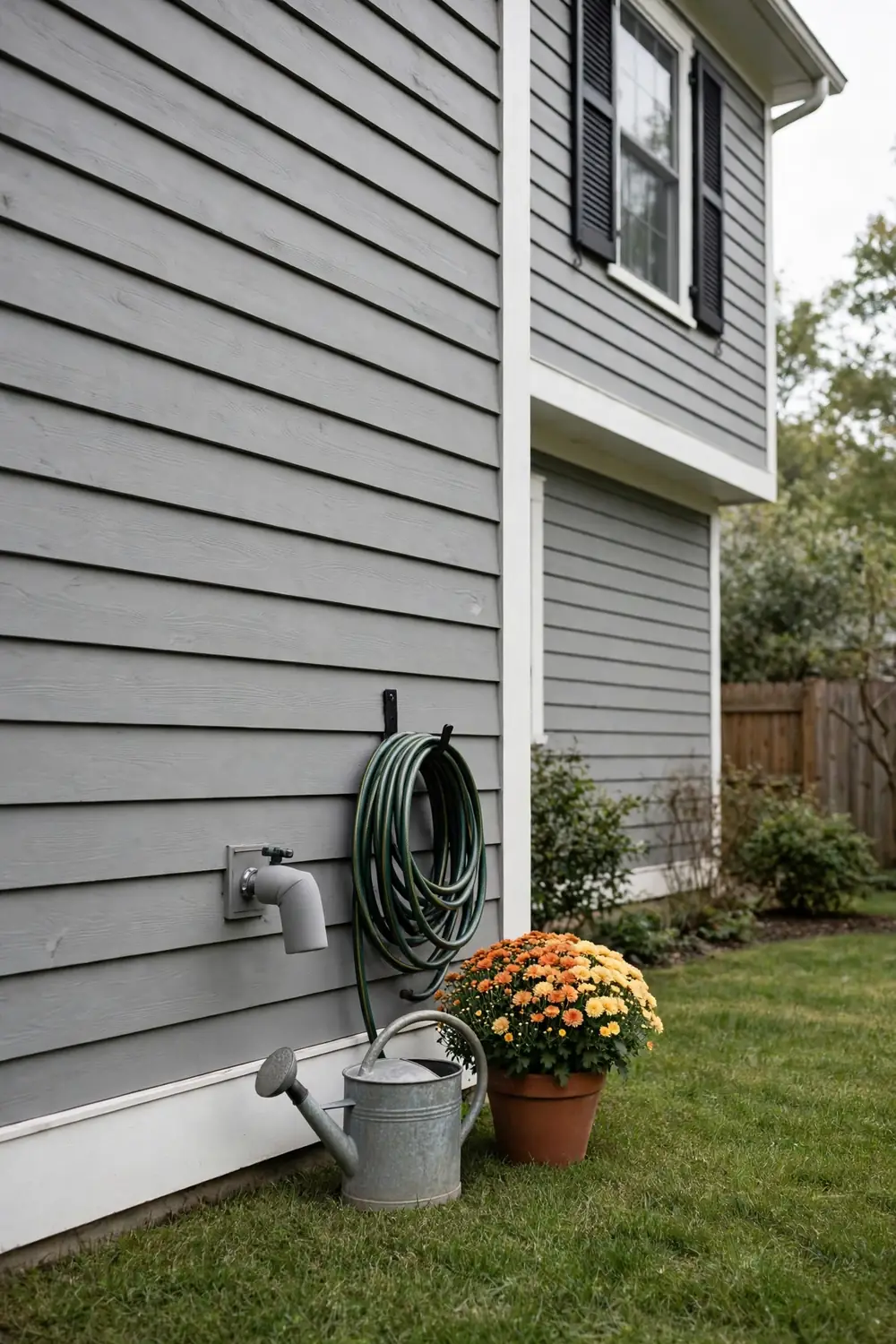
Disconnect every garden hose before the first freeze. Drain it fully and coil it in the garage or shed. A hose left attached can trap water in the spigot. That water freezes, expands, and cracks the pipe inside the wall.
Find the indoor shutoff valve for each outdoor faucet. It usually sits in the basement near where the pipe exits the wall. Turn the valve off, then open the outside spigot to let the line drain. Leave the spigot open a quarter turn through winter. Snap a foam cover over the spigot for extra protection. If the house has sprinklers, drain them now with their own valves, or schedule a blowout before the ground freezes. This five-minute job stops a very expensive repair.
Check the Chimney and Safety Devices

If the fireplace burned wood last season, schedule a chimney sweep before the first fire. Creosote buildup inside the flue is a leading cause of chimney fires. A sweep clears it out in under an hour. Check that the damper opens and closes fully. Look for a chimney cap with a screen to keep out animals and sparks.
Replace the batteries in every smoke detector and press the test button until it sounds. Add or test carbon monoxide detectors on each floor, most of all near bedrooms and the furnace. Glance at the fire extinguisher gauge to confirm the needle sits in the green zone. Make sure the kitchen one is easy to grab. Pull the dryer lint from the vent hose outside, since trapped lint is a real fire hazard.
Prep the Yard and Pipes for Freezing Weather

Give the lawn one last mow, cutting it slightly shorter than usual. The grass goes into winter tidy, and disease has less shelter. Rake leaves off the lawn and out of the beds. Spread two to three inches of fresh mulch around shrubs and plants to steady the soil.
Cut back dead plant stems and trim broken tree branches before ice and wind can snap them. Store patio furniture cushions indoors and tuck the grill into the garage. Walk the basement and crawl space to find exposed water pipes. Wrap them with foam pipe sleeves, giving extra care to pipes along outside walls. Set the water heater to 120 degrees. Make sure everyone at home knows where the main water shutoff is.
Frequently Asked Questions
When should you start your fall home maintenance?
Most of these jobs land best between late September and the end of October. The weather is still comfortable for ladder and yard work. Aim to finish before the first hard freeze, since frozen ground and icy roofs make everything harder. If the calendar is packed, start with the heating system and gutters.
What is the most important task on a fall home maintenance checklist?
Servicing the heating system comes first. A mid-winter furnace failure is the costliest and most uncomfortable surprise. Cleaning the gutters and checking the roof run a close second, since water damage spreads fast once ice and snow arrive.
Can you handle fall maintenance yourself or should you hire a professional?
Most of this list suits a careful homeowner with basic tools. Cleaning gutters, changing filters, caulking, and wrapping pipes need no special license. Hire a pro for the furnace tune-up, the chimney sweep, and any roof repair that takes you off the ladder.
How often should you change the furnace filter during winter?
Check the filter every month through the heating season. Replace it when it looks gray and clogged, which is usually every one to three months. Homes with pets or allergy sufferers may need a fresh filter more often.
Wrapping Up
A weekend of fall maintenance buys a whole winter of peace. The roof sheds water and the furnace runs clean. The pipes stay whole and the house feels snug when the first storm rolls through.
Keep this list handy and work through it again each October. Pin this fall home maintenance checklist so next year’s round takes even less time.