Fall Flowers to Plant: 21 Picks for Color Until Frost
Late August and September bring an odd mixture of feelings to the yard. The tomatoes slow down, but the days still hold good light, and that makes a great time to plant. These fall flowers to plant root fast in warm soil, then keep your beds bright until the first frost.
You do not need a big bed to make this work. A sunny strip by the walk, a few pots by the front door, or one new row in a tired bed can hold weeks of color. Each pick below tells you where it grows best, how fast it fills in, and what it needs when nights turn cool.
1. Chrysanthemums in Big, Bold Mounds
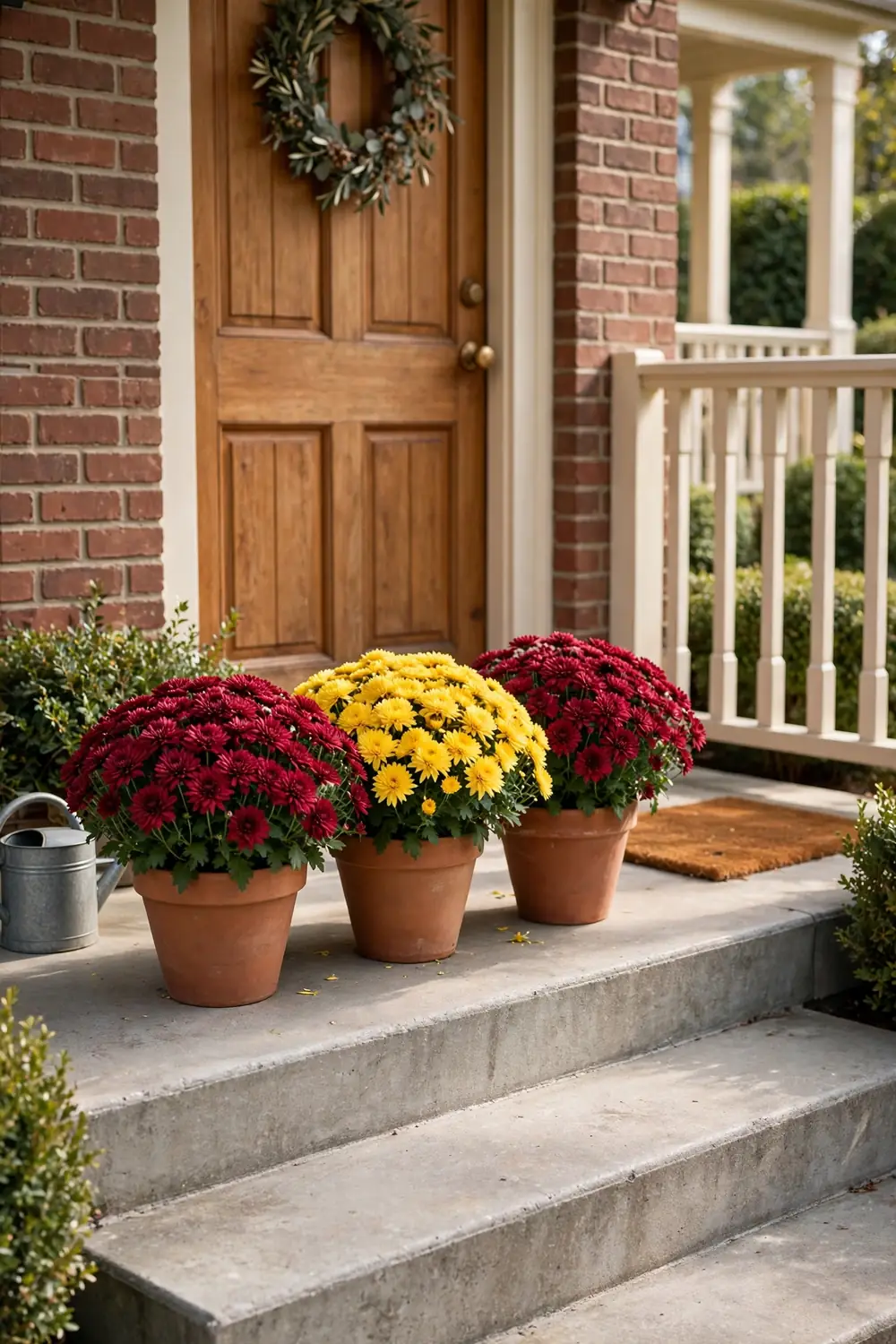
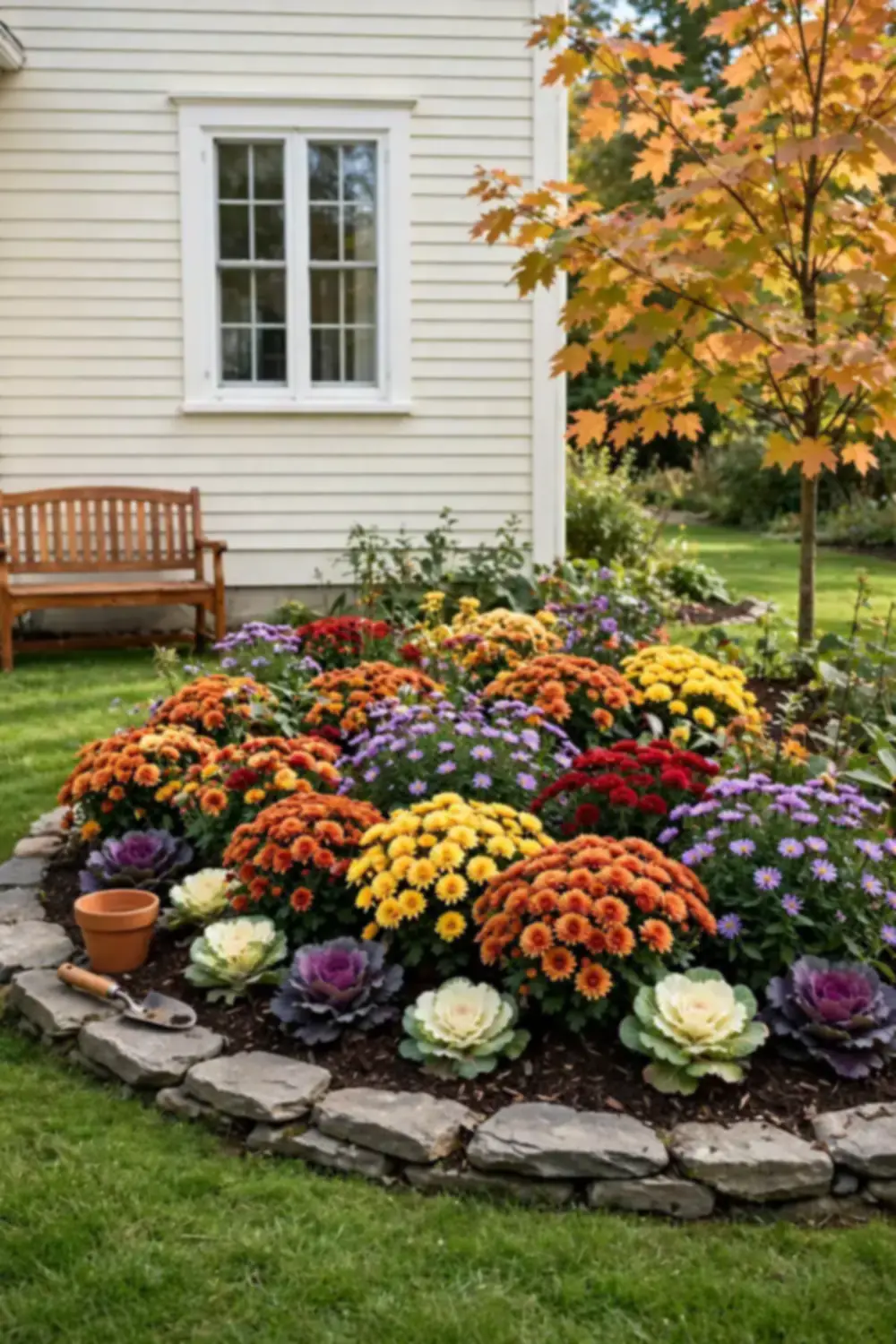
Mums are the flower most folks think of when fall comes. Buy them as tight buds in early September for mounds of rust, gold, plum, and white. Set them in full sun with the root ball at soil level, and water well so the roots can establish.
One word of care: they can harm dogs and cats, so keep pots out of reach. Pick a hardy garden type for next spring; the showy florist kinds rarely live through winter.
2. Asters for Late-Season Purple
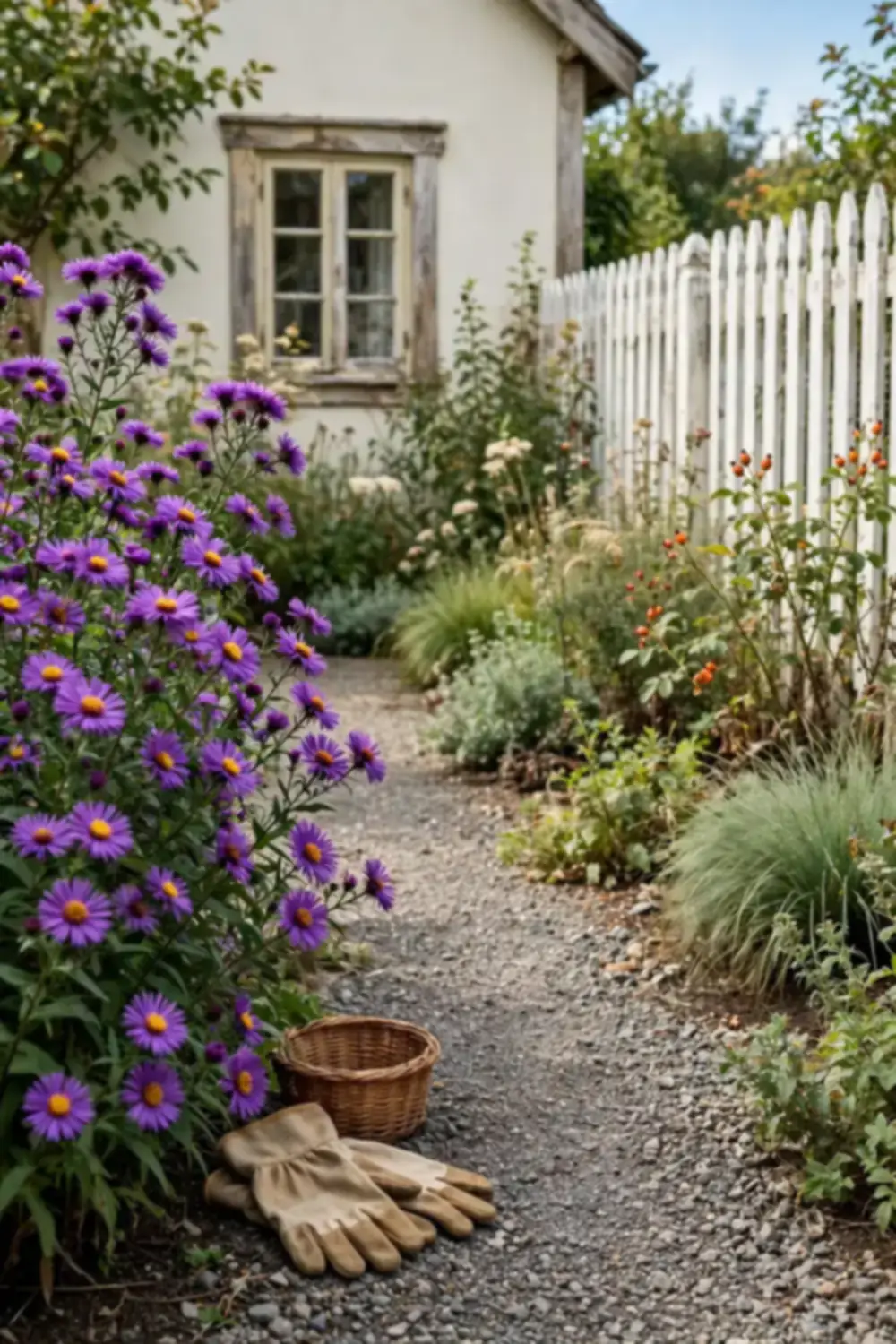
When most plants start to fade, asters are just waking up. Their small daisy blooms in purple, blue, pink, and white open from late August into October, just when the bees need them most. Give them full sun and some air flow, since packed stems can get mildew.
Leave about eighteen inches between plants and they grow into neat mounds. Snip off dead blooms through September to keep new ones coming. In zones 4 through 8 they come back bigger each year.
3. Pansies That Take the Cold
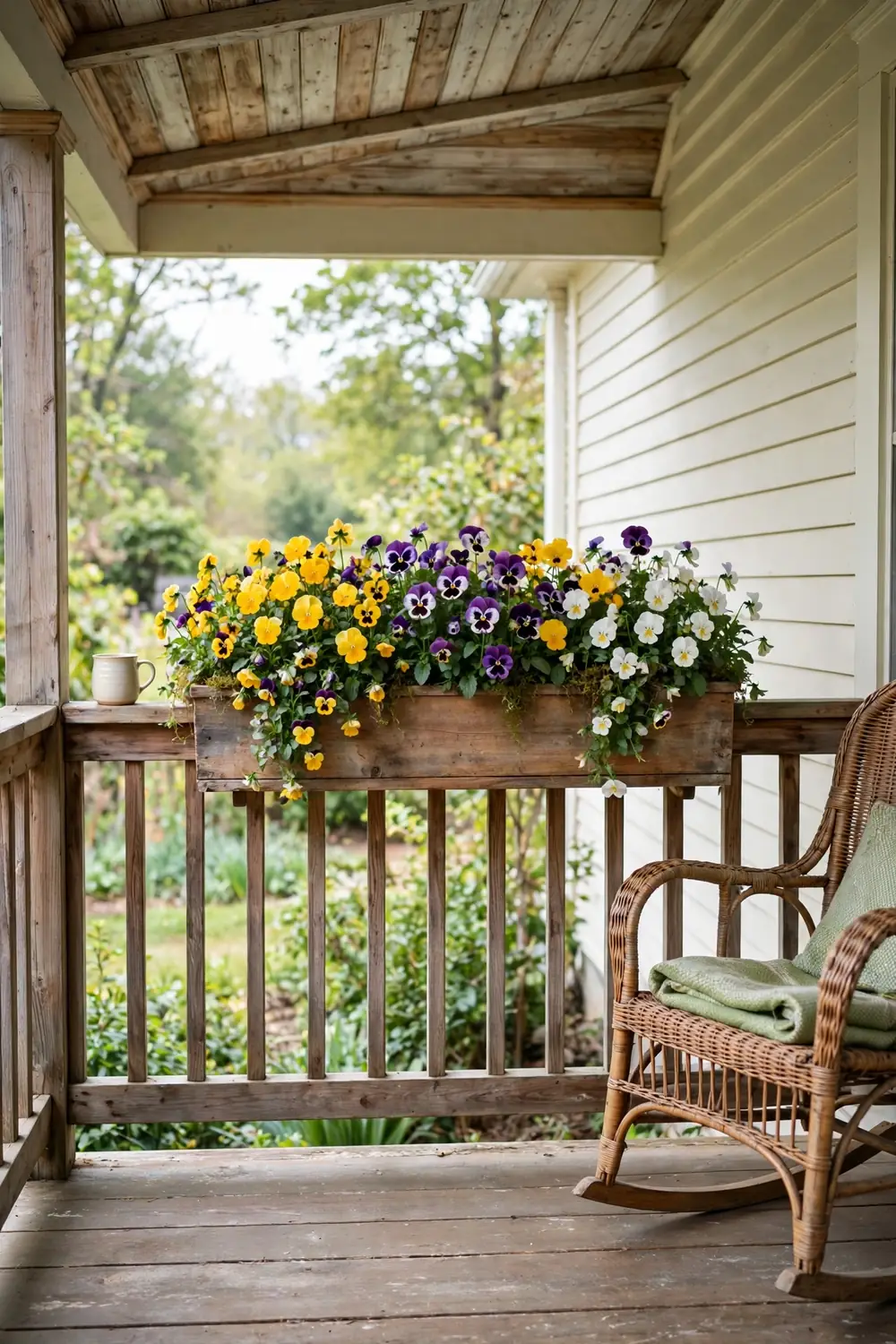
Pansies take light frost with ease, which makes them one of the safest fall picks. Their small bright faces come in all kinds of color mixes, and they bloom best when days stay in the sixties. Tuck them into pots, window boxes, or the front of a bed in part sun.
Set them six inches apart so they grow into a solid band of color. Snip dead blooms and they push new ones into November. A two-inch mulch layer helps roots ride out hard freezes.
4. Ornamental Cabbage and Kale
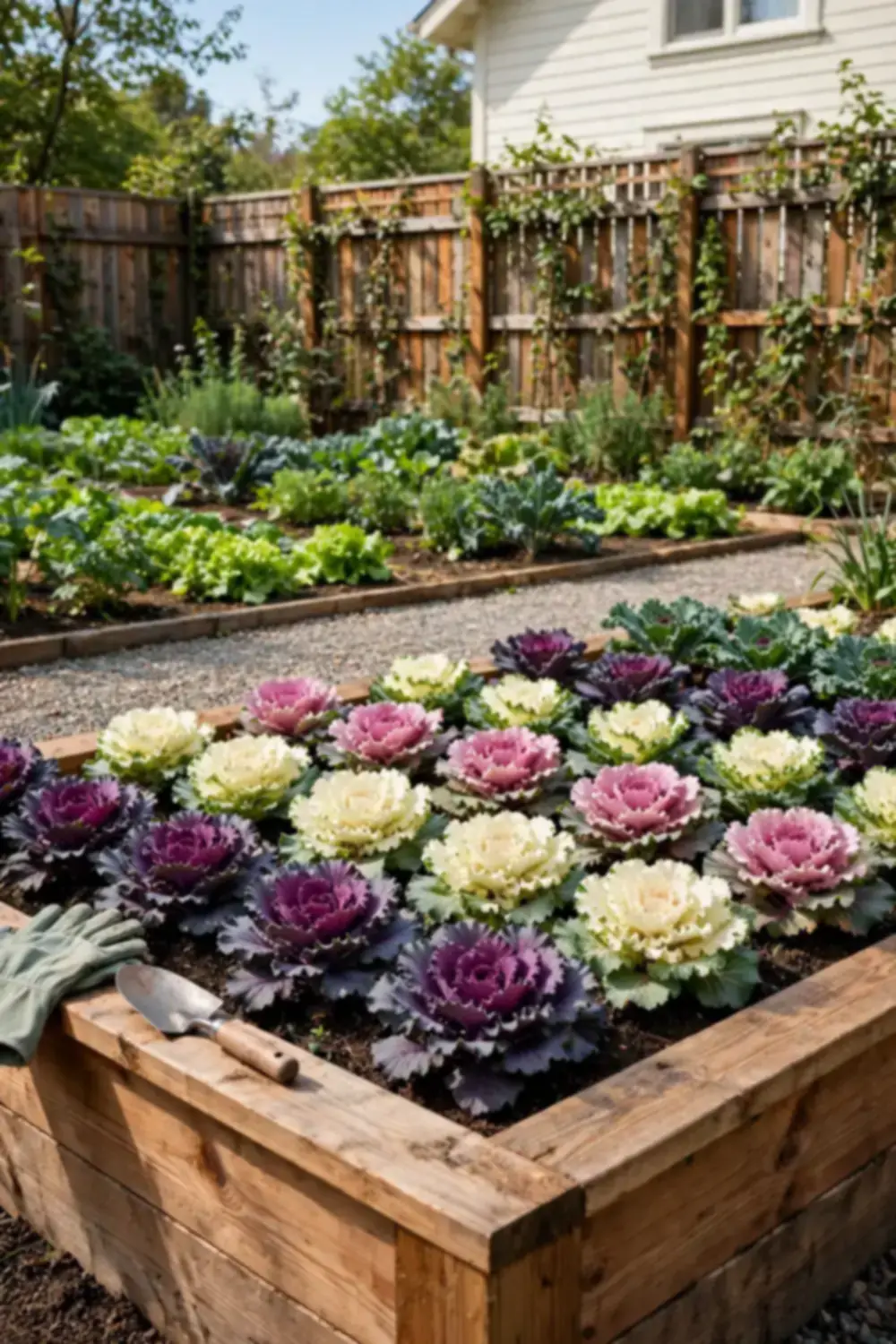
Few plants say fall like ornamental cabbage and kale. Their round heads flush purple, cream, and rose as nights cool, and they look good long after blooms fade. Plant them in full sun about a foot apart, in beds or big pots.
They love cool air, so September is the right time to plant. Frost only deepens their color. Water well until they settle in; after that they need very little care.
5. Black-Eyed Susans for Golden Weeks
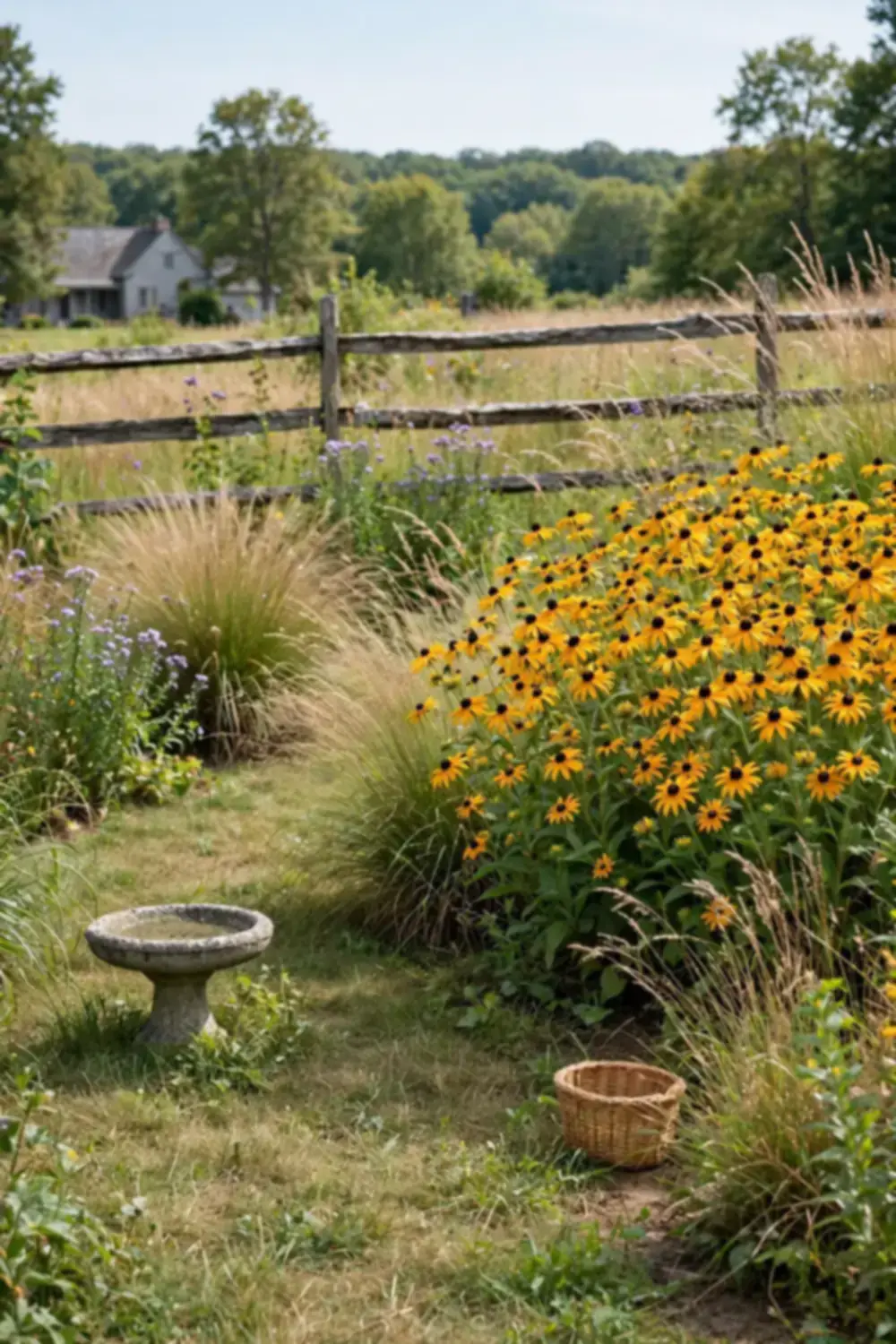
Black-eyed Susans hold the last true gold of the year. Their dark-eyed daisies bloom from summer into October on strong stems that need no help. Give them full sun and plain soil, and they spread into full clumps that ask for nothing more.
Snip dead blooms to stretch the show, or leave a few seed heads for goldfinches. In zones 3 through 9 they come back each year, so one planting pays off beautifully for years.
6. Sedum That Opens When Everything Else Fades

Sedum, the Autumn Joy kind, times its show for September. Its flat bloom heads shift from green to soft pink to copper, and the dry heads look good all winter. Plant it in full sun in soil that drains well; wet roots are its one true foe.
It needs no stakes and next to no water once grown. Bees love the open blooms, so plant it where you can watch from a window. Leave the seed heads up until spring for winter cheer.
7. Celosia Plumes in Hot Colors
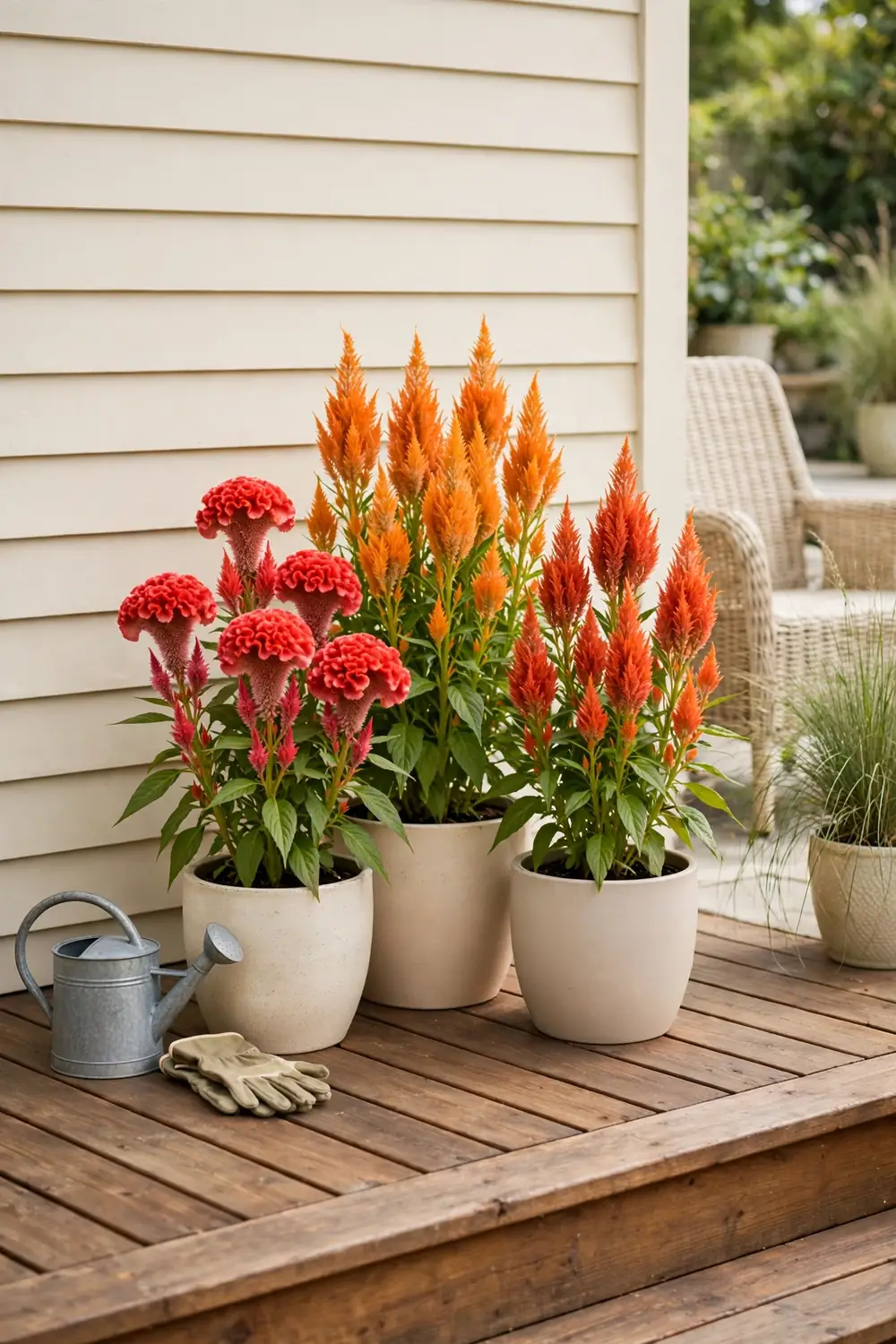
Celosia brings heat to the fall yard with plumes in orange, scarlet, and magenta. It loves warm September soil and blooms up to frost in full sun. Plant in groups of three or more, since one lone plume looks lost and a group stops you in your tracks.
Keep the soil damp but never wet. The heads dry well, so cut a few stems for a fall vase before the first hard freeze.
8. Marigolds Along the Garden Edge

Marigolds are the workhorses of the fall yard. Their round blooms in orange, gold, and deep red stand up to cool nights and keep going into October. Line a walk or edge a veggie bed with them, ten inches apart in full sun.
They help keep aphids and root pests off nearby crops. Pull dead heads and they branch into more blooms. A flat of them costs very little and fills a lot of space fast.
9. Salvia Spikes in Clear Blue
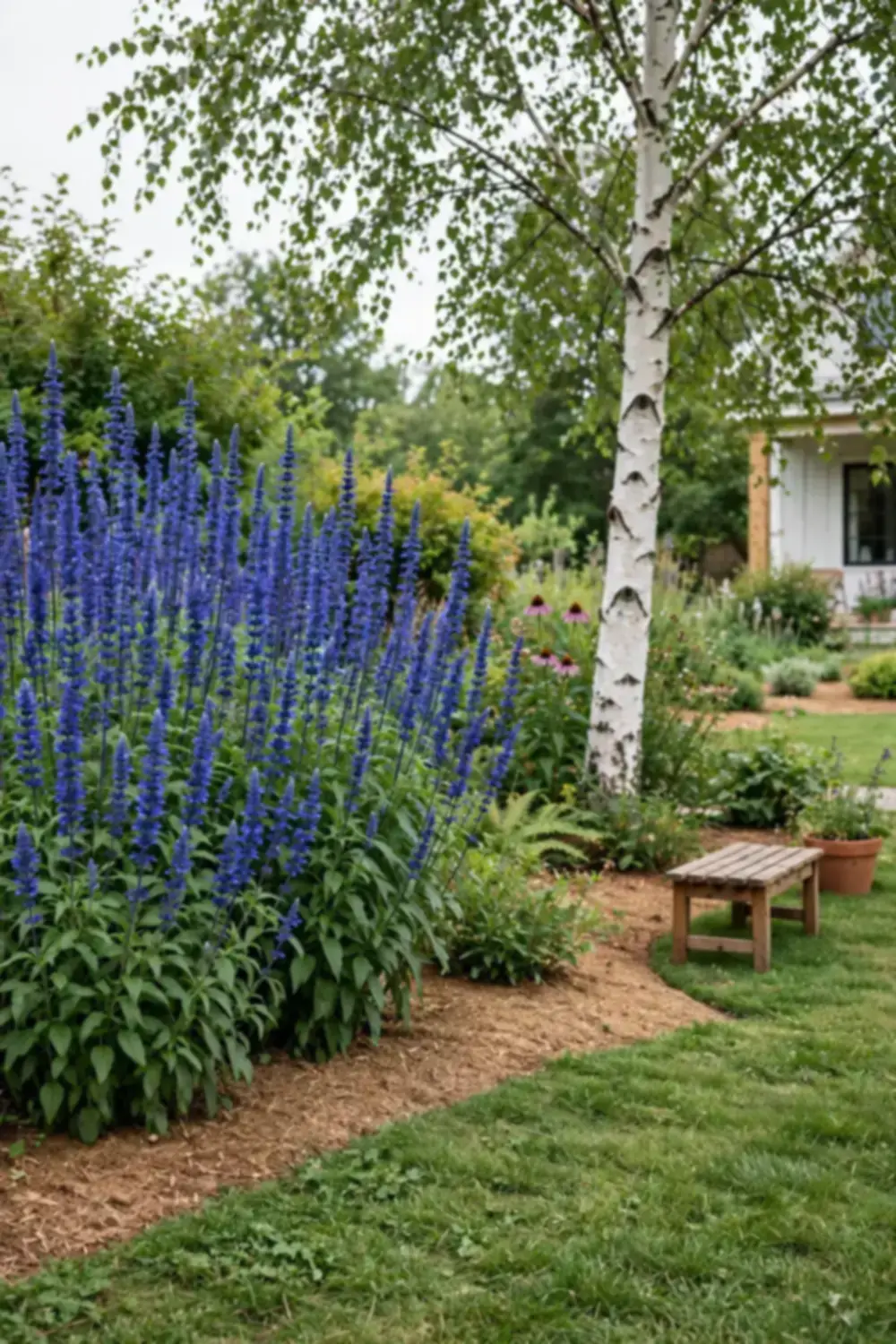
Blue is hard to find in October, and salvia has it. Tall spikes in deep blue and violet rise over neat leaves from September to frost. Plant in full sun and soil that drains, a foot apart so air can move.
Cut the spikes back when they fade and new ones often follow in weeks. Hummingbirds drink from the tube blooms each day, so plant them where you can watch. In warm zones they live through winter.
10. Snapdragons for Cool-Weather Spikes

Snapdragons bloom better in cool air than in summer heat. Their tall spikes in pink, yellow, white, and coral open from September to the first hard freeze. Set young plants in full sun to part shade, eight inches apart.
Pinch the top stem when plants are small and they split into twice the blooms. Cut dead spikes back to side buds for round two. They often live through mild winters and bloom early in spring.
11. Dianthus With a Sweet Clove Scent
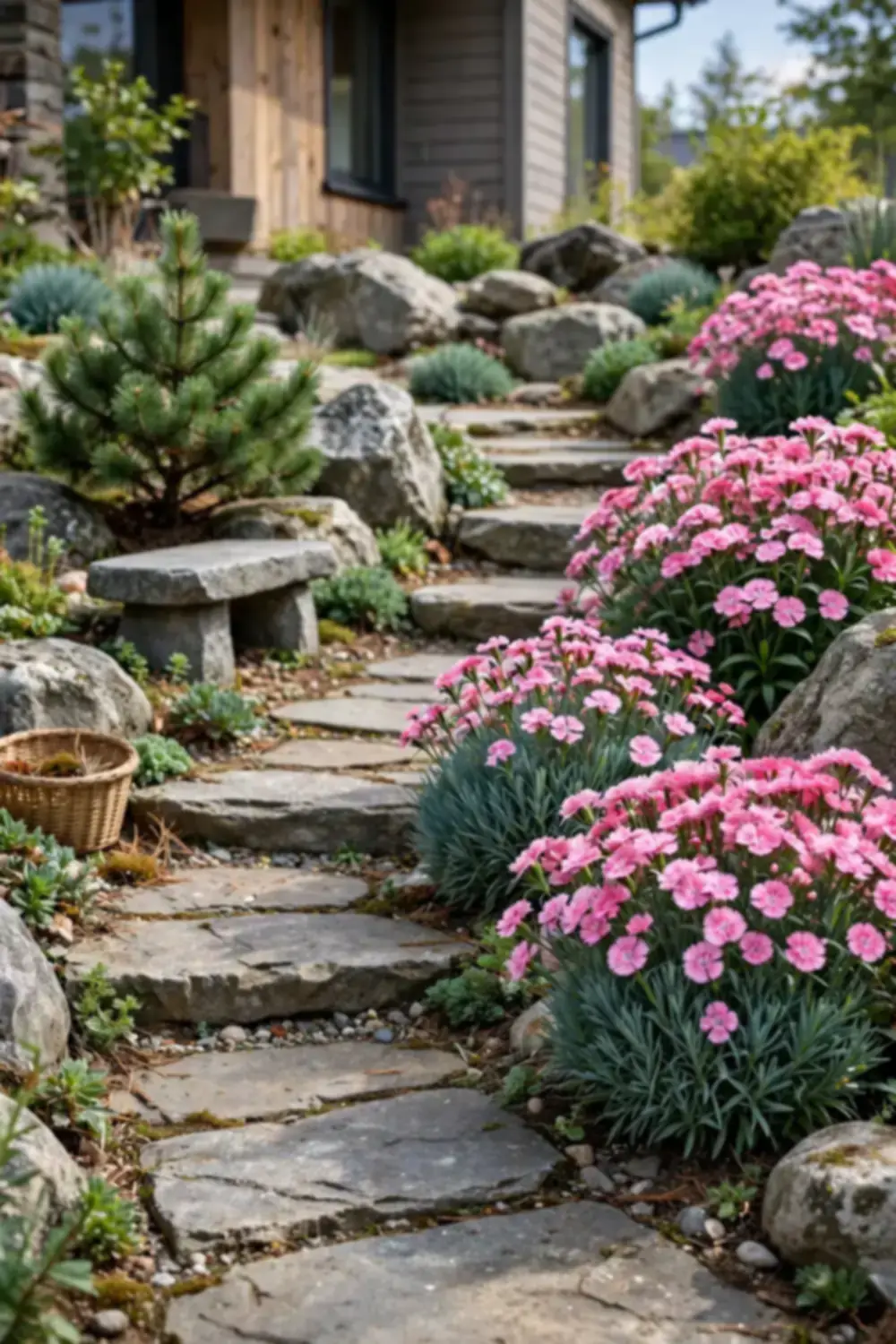
Dianthus, also called pinks, fill the cool autumn air with a sweet clove scent. Their lacy blooms in pink, rose, and white sit on neat blue-green mounds that stay trim all year. Plant in full sun in soil that drains; they hate wet winters more than cold ones.
A light trim after the first flush keeps blooms coming into October. They make a fine bed edge and take light frost with no fuss.
12. Japanese Anemones for Shady Spots

Shade yards get their own fall star in the Japanese anemone. Tall stems hold white or soft pink cups over dark leaves from August into October, bright in spots where little else blooms. Give them part shade and rich, damp soil, with room to spread.
They take a year to settle, then come back stronger each fall. Plant them where you will not dig, since they hate to move. A mulch layer in late fall helps young plants through their first winter.
13. Coneflowers With Seed Heads for the Birds
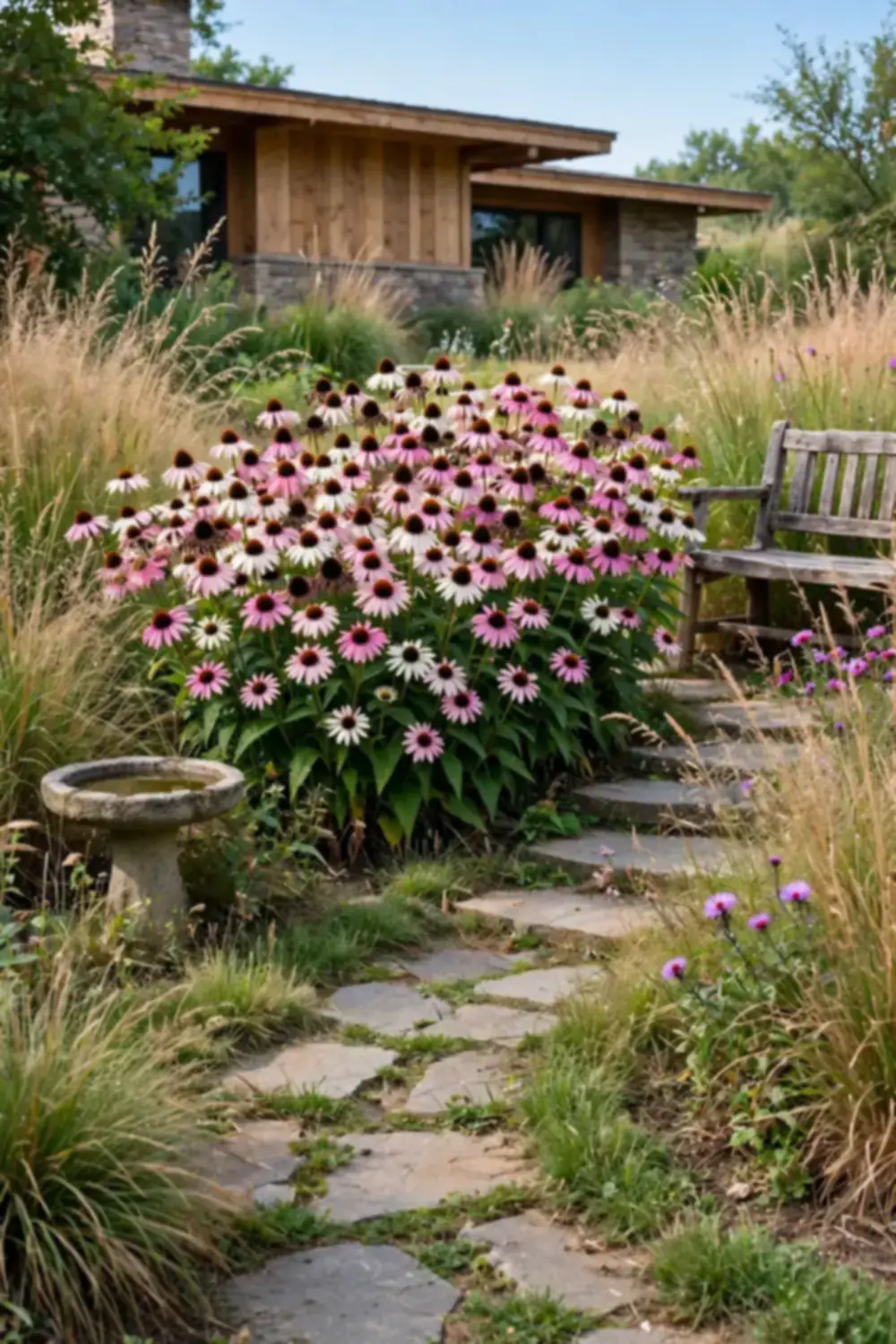
Coneflowers give two shows for the price of one. Pink and white petals light up September, then dark seed cones feed goldfinches all winter. Plant in full sun and plain soil; they take drought and poor dirt better than most.
Leave the stems up until spring, then cut them when you see green shoots. New plants often sow themselves, so you may get free plants next year. Deadhead a few and leave a few for the best of both worlds.
14. Ornamental Peppers That Look Like Candy

Ornamental peppers are the fun pick of the year. Their small fruits turn yellow, orange, purple, and red on neat plants that suit pots and beds. Set them in full sun while soil is still warm, a foot apart.
The fruits are very hot, so look but do not taste, and keep them from small kids. They hold color for weeks, and two pots by the door make a quick fall statement.
15. Goldenrod for Wild, Sunny Meadows
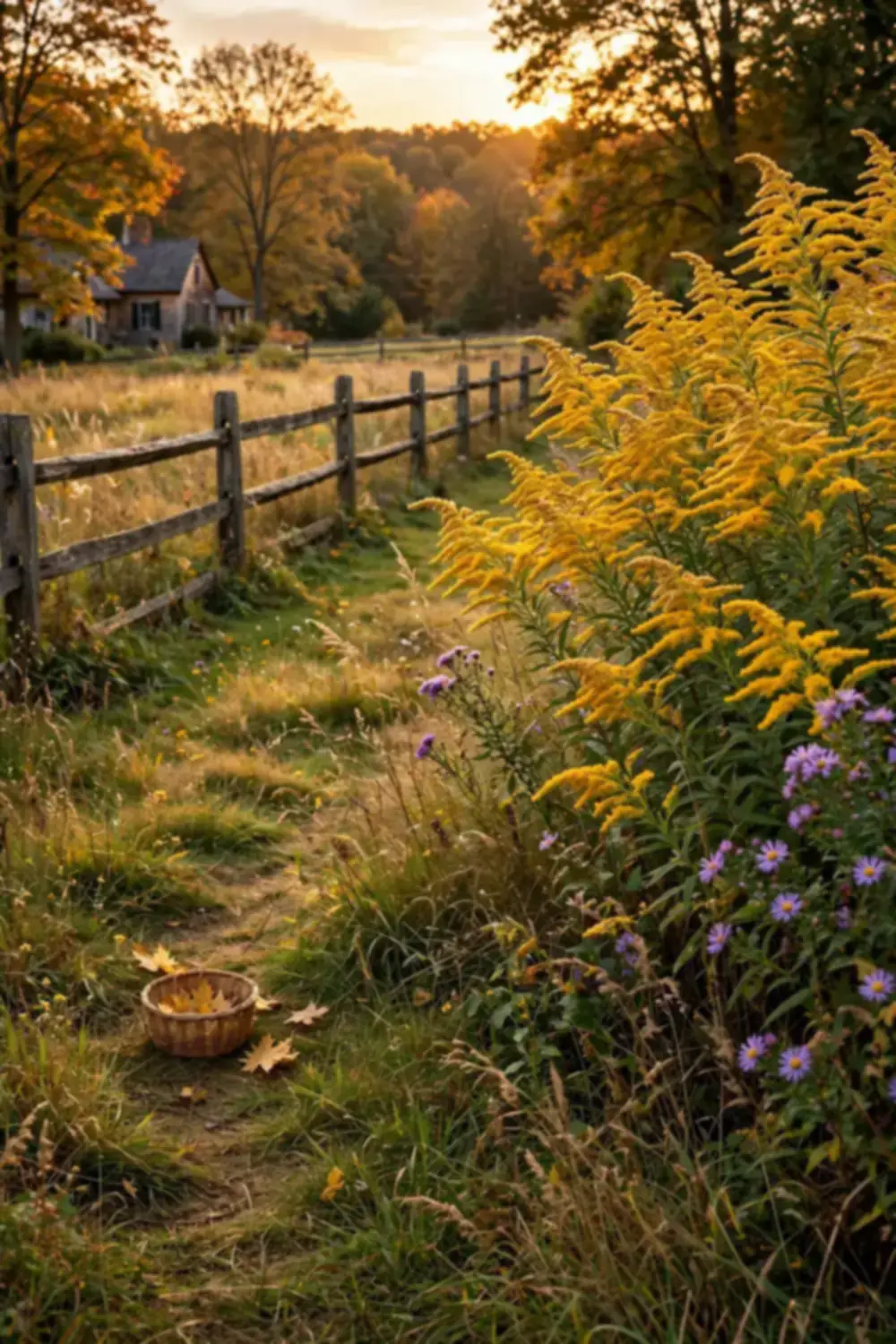
Goldenrod gets blamed for sneezes it does not cause; ragweed nearby is the true culprit. Its gold plumes feed late bees and butterflies from September into October. Plant the named garden kinds in full sun for neat, beautiful clumps.
Give it plain soil and little extra water once it is grown. Cut it back hard in late fall. It pairs well with asters, since both peak at the same time.
16. Toad Lilies in the Deep Shade Corner
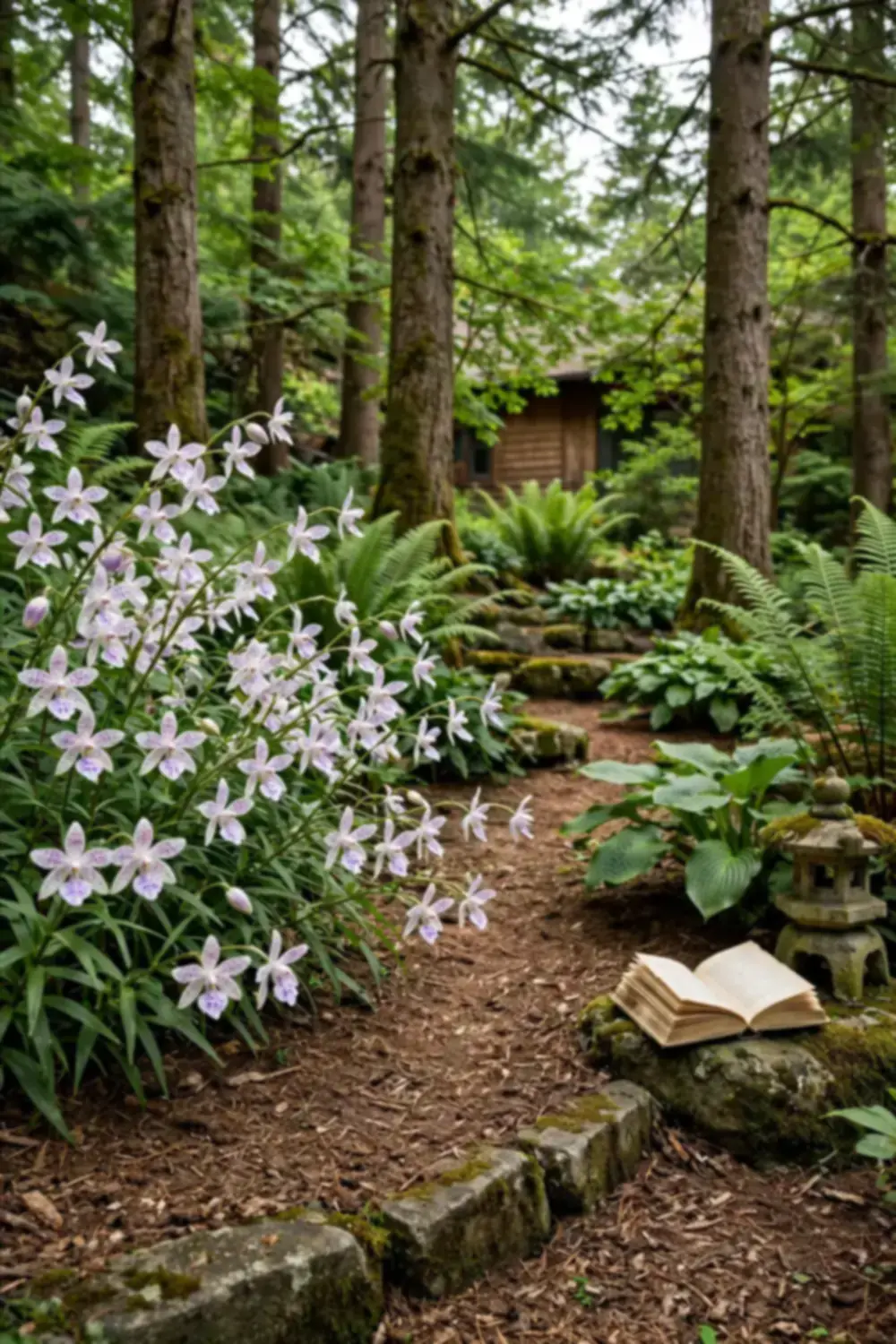
Toad lilies are the orchid stand-ins for shade. Their small spotted blooms in white and lilac open on arching stems in September and October, when the shade bed is done. Plant in damp, rich soil in full to part shade.
They grow slowly into full clumps if left alone. Mark the spot in spring, since they come up late and are easy to hit with a trowel. Pair with hostas, whose wide leaves hide their bare lower stems.
17. Monkshood for Tall Blue Towers
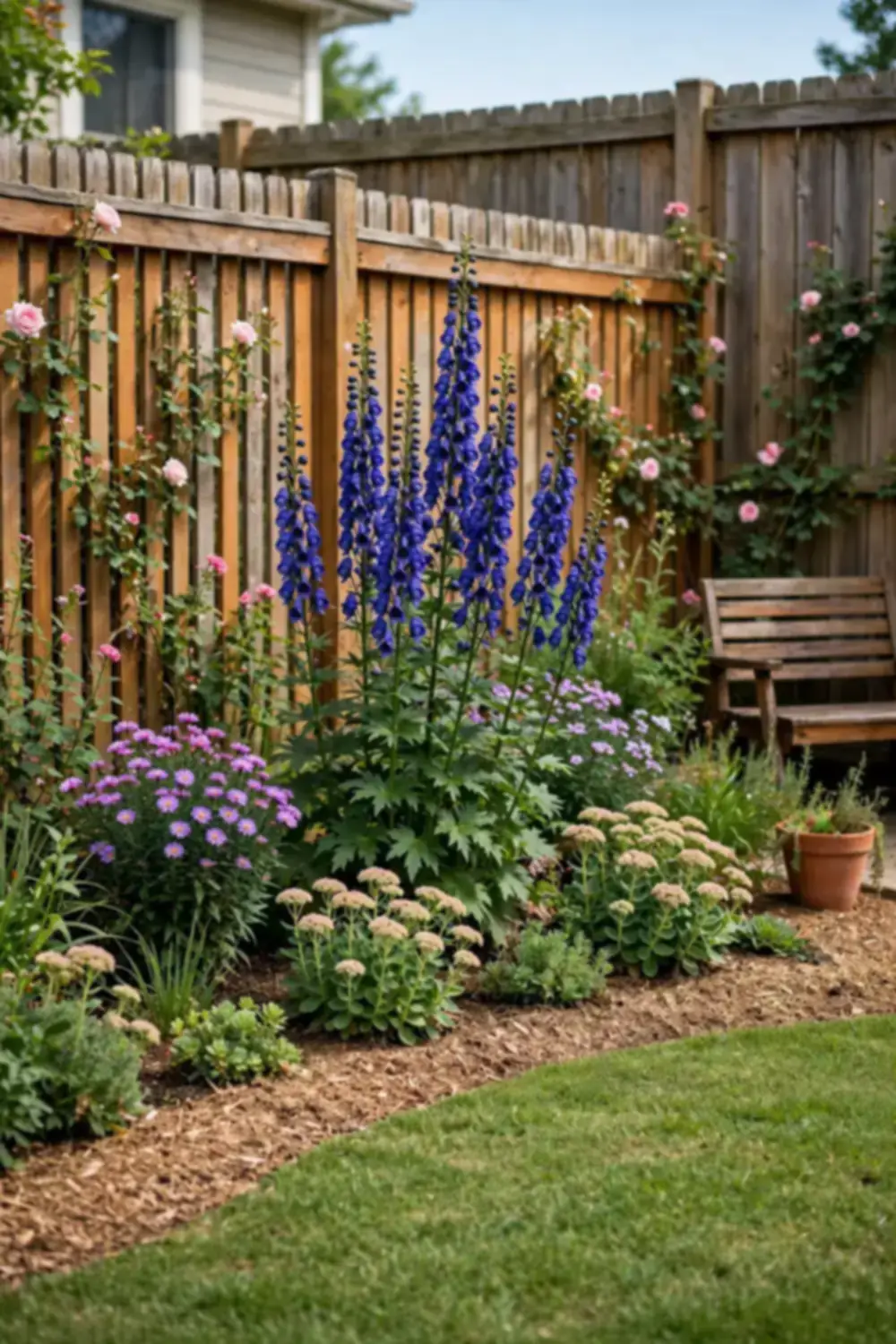
Monkshood lifts tall spikes of deep blue hooded blooms in early fall. It adds real height to the back of a bed, three to five feet, where little else still blooms. Plant in part shade with soil that stays damp.
Wear gloves to handle it, since all parts are toxic if eaten. Stake tall stems where wind hits. It comes back each year in zones 3 through 7 and asks for little past that first planting.
18. Amaranthus With Velvet Tassels
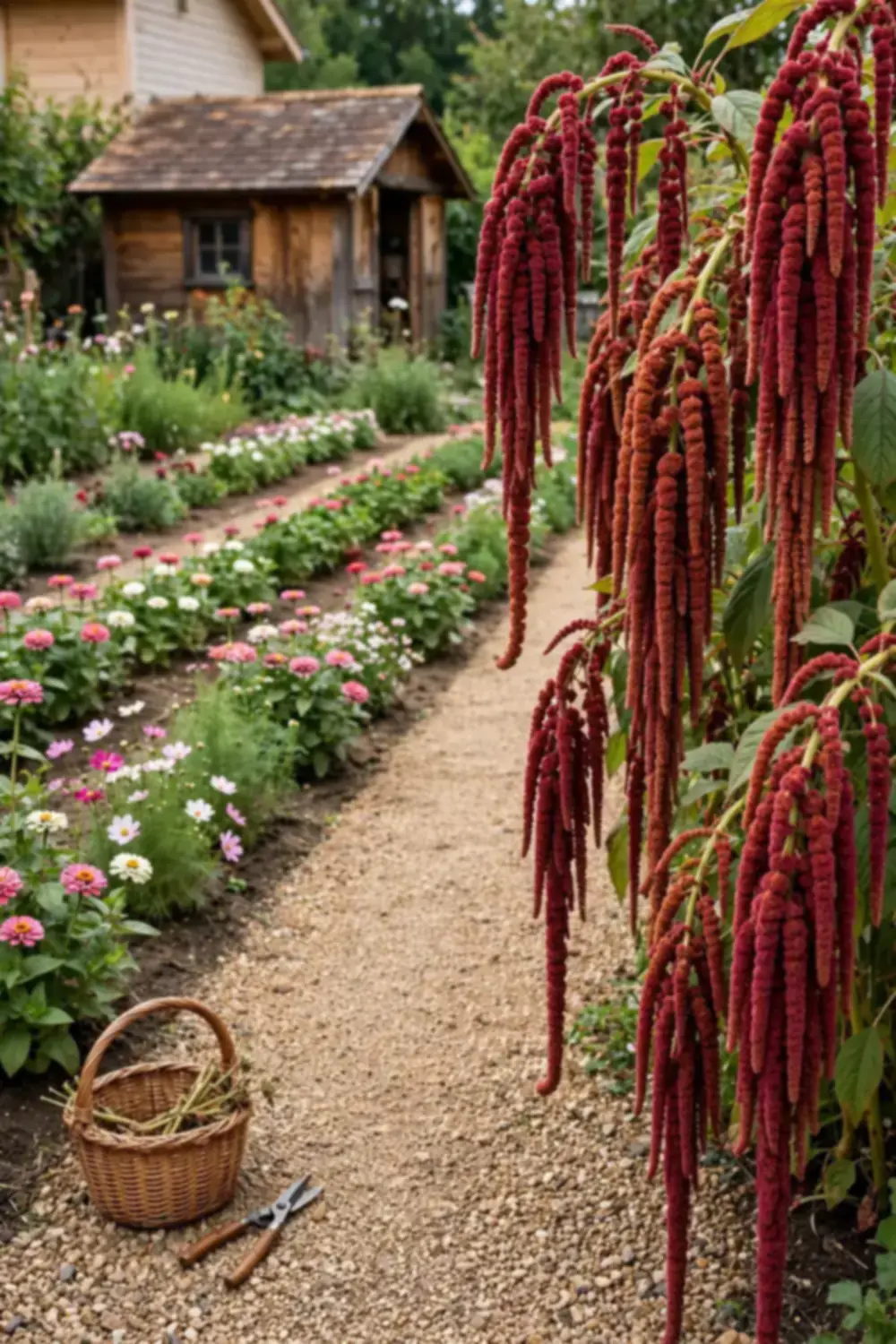
Amaranthus brings drama with long soft tassels in wine red, copper, and green that hang from tall stems. It grows fast from September plants and stands out over mums and marigolds. Give it full sun and plain soil; it takes heat and dry spells with ease.
Cut the tassels for dry bouquets before frost; they hold color for months indoors. One plant makes a mark, and three make a remarkable feature.
19. Coral Bells for Colored Foliage

Coral bells win with leaves more than blooms. Their foliage glows in caramel, plum, lime, and deep purple through fall, long after the small bloom spikes fade. Plant in part shade with good drainage; crowns rot in wet winter soil.
Line them along the front of a bed where their bright color shows. They stay green in mild zones, so you get color and cheer well past the first frost.
20. Violas in Small Pots by the Door

Violas are the pansy’s small, tough cousins. Their tiny faces bloom through light frost and often keep going under a thin blanket of snow in mild zones. Fill small pots and set them by the front door, six inches apart in part sun.
They bloom best in cool air, so September is their time. Cut the whole planting back by a third if it gets leggy, and a wave of fresh buds soon follows.
21. Autumn Crocus That Blooms Without Leaves
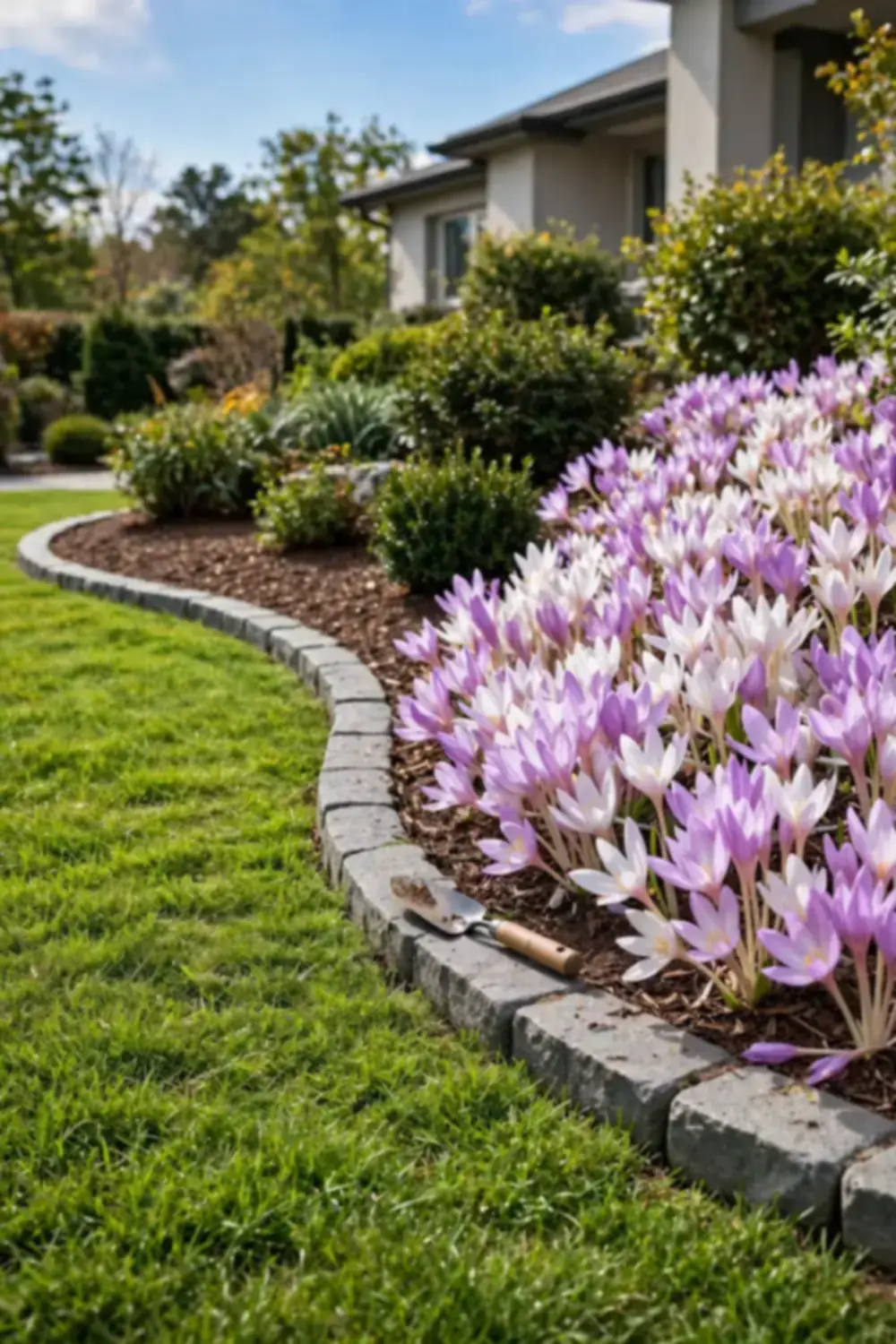
Autumn crocus, or colchicum, is the yard’s best autumn trick. Lavender cups push straight from bare dirt in September and October with no leaves at all; leaves come in spring. Plant bulbs in late summer, three inches deep, in full sun to part shade.
They spread into full groups if you leave them be. Note that all parts are toxic, so keep them out of play areas. The blooms take rain and light frost with ease.
Care and Upkeep
Getting these plants in the ground is half the job; a little care keeps them bright to frost. Water new plants well for the first two weeks, then ease off as nights cool and rain comes. Most fall picks like soil that is damp but never wet, so feel the top inch before you water.
Snip dead blooms on mums, marigolds, salvias, and pansies, and most will push new buds in a few weeks. Pull weeds while small, since weeds steal food and water from young roots. Lay two inches of mulch round each plant after the first light frost. Hold the feed now; rich food grows soft stems that frost will kill.
Frequently Asked Questions
When is the right time to plant fall flowers?
Aim for six to eight weeks before your first frost date, which is late August through September for most of the country. Warm soil helps roots take hold fast, while cool air keeps plants from wilting. If you miss that span, you can still plant mums and pansies in October; just water well until they root.
Can you grow fall flowers in pots and planters?
Yes, and some picks do even better in pots. Pansies, violas, ornamental peppers, and ornamental cabbage all grow well in pots with drain holes and fresh mix. Water pots more than beds, since they dry fast, and use pots at least ten inches wide so roots have room.
How long do fall flowers last before the first frost?
Most bloom until a hard freeze, often four to eight weeks after planting. Pansies and ornamental cabbage take light frosts and can last into early winter. Deadheading and water in dry spells can add weeks to the show.
Which fall flowers come back next year?
Hardy mums, asters, sedum, coneflowers, black-eyed Susans, and Japanese anemones are perennials that return where winters suit them. Pansies and violas often sow themselves or live through mild winters. Celosia, marigolds, and ornamental peppers will not return, so plant them fresh next fall.
Your Fall Flowers to Plant, Made Cozy
Twenty-one picks is a lot of color, but you do not need them all. Start with three or four that fit your light and your time, then add more next year once you see what thrives. The yard always pays back the gardener who plants in September.