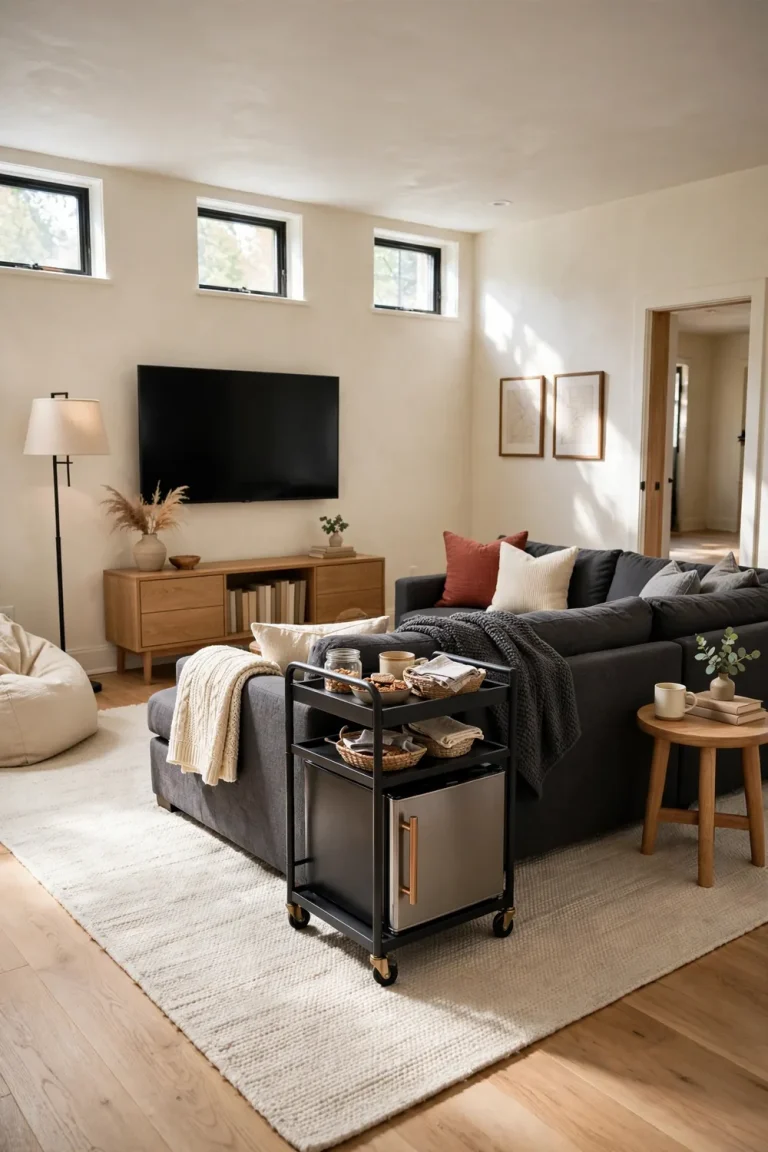

Dark Academia Decor Ideas: 17 Looks for a Moody Home
October light falls across your desk at a slant, and the stack of secondhand hardcovers finally looks like it belongs. Dark academia decor turns that feeling into a whole room. It leans on deep wood tones, old books, brass details, and colors pulled from a library at dusk.
Real homes suit this style because it grows slowly. You start with what you own, then add one piece at a time, like a thrifted frame or a worn leather chair. Nothing here needs a big budget or a renovation. Each of the 17 ideas below works in a living room, a bedroom, or a small study corner, so you can pull the look into any part of your home.
1. Floor-to-Ceiling Bookshelf Walls

Nothing says old library like a wall of books, and you don’t need a mansion to get the feeling. One tall bookcase works in a small living room just as well. Stain it walnut or espresso so the wood reads rich and warm. Leave a few gaps for a small brass lamp or a framed print.
Sort the books by height for a true library look. Tuck your favorite titles at eye level where guests can see them. Add heavy bookends you already own, like stone or brass ones, to keep the rows neat. Keep the top shelf for oversized art books you reach for least.
2. A Cognac Leather Reading Chair
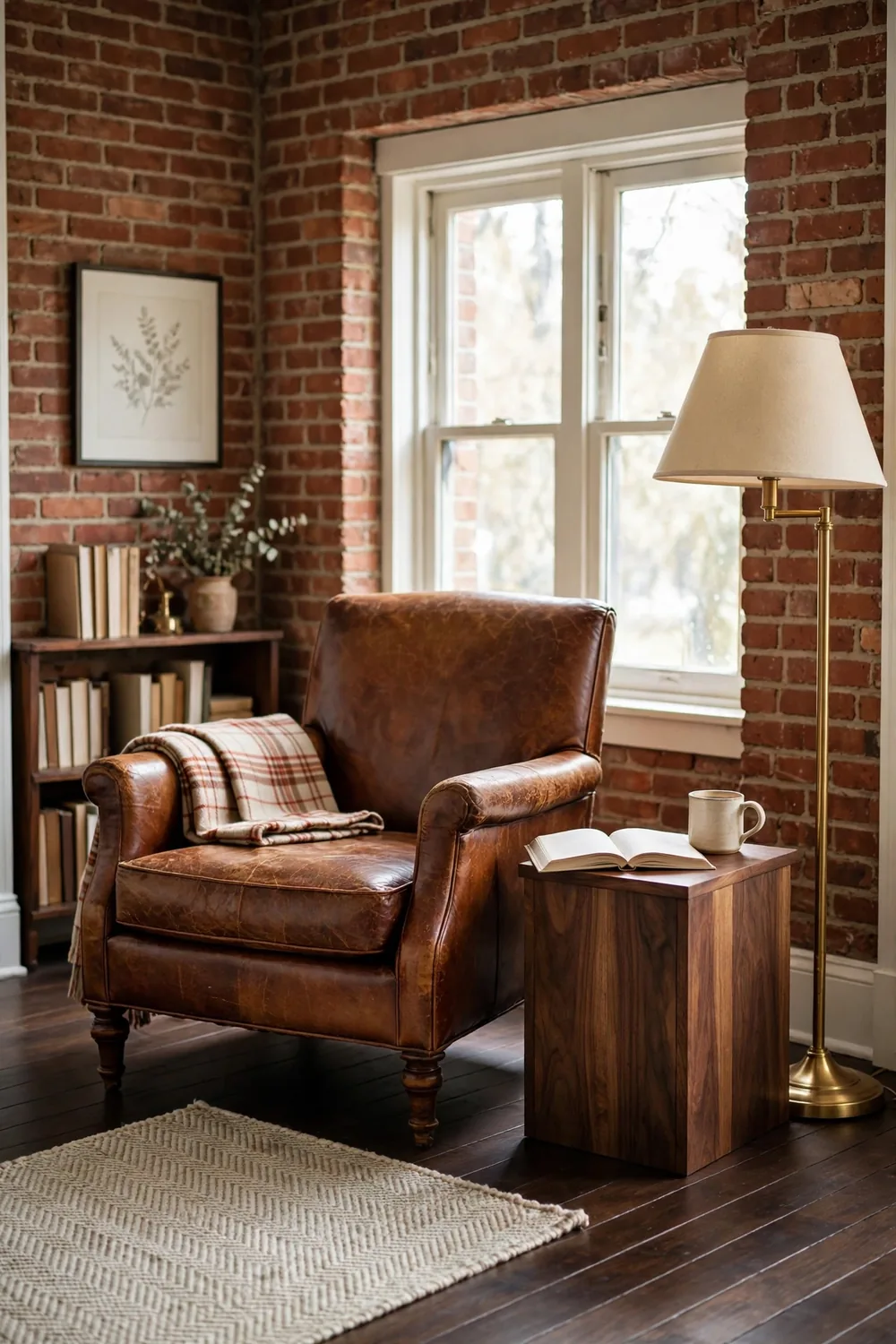
A worn leather chair is the seat every reader fights over, so give it a proper corner. Look for cognac or oxblood tones, and don’t fear scuffs. Marks and creases give old leather its character. Set the chair near a window with a small side table for your current book and a cup of tea.
Drape a tartan or wool throw over one arm to soften the look. A brass floor lamp with a fabric shade gives warm light for evening reading. Angle the chair toward the room with a slight turn, which makes the corner feel planned. One good chair is enough for a reading spot.
3. Deep Green Paneled Walls
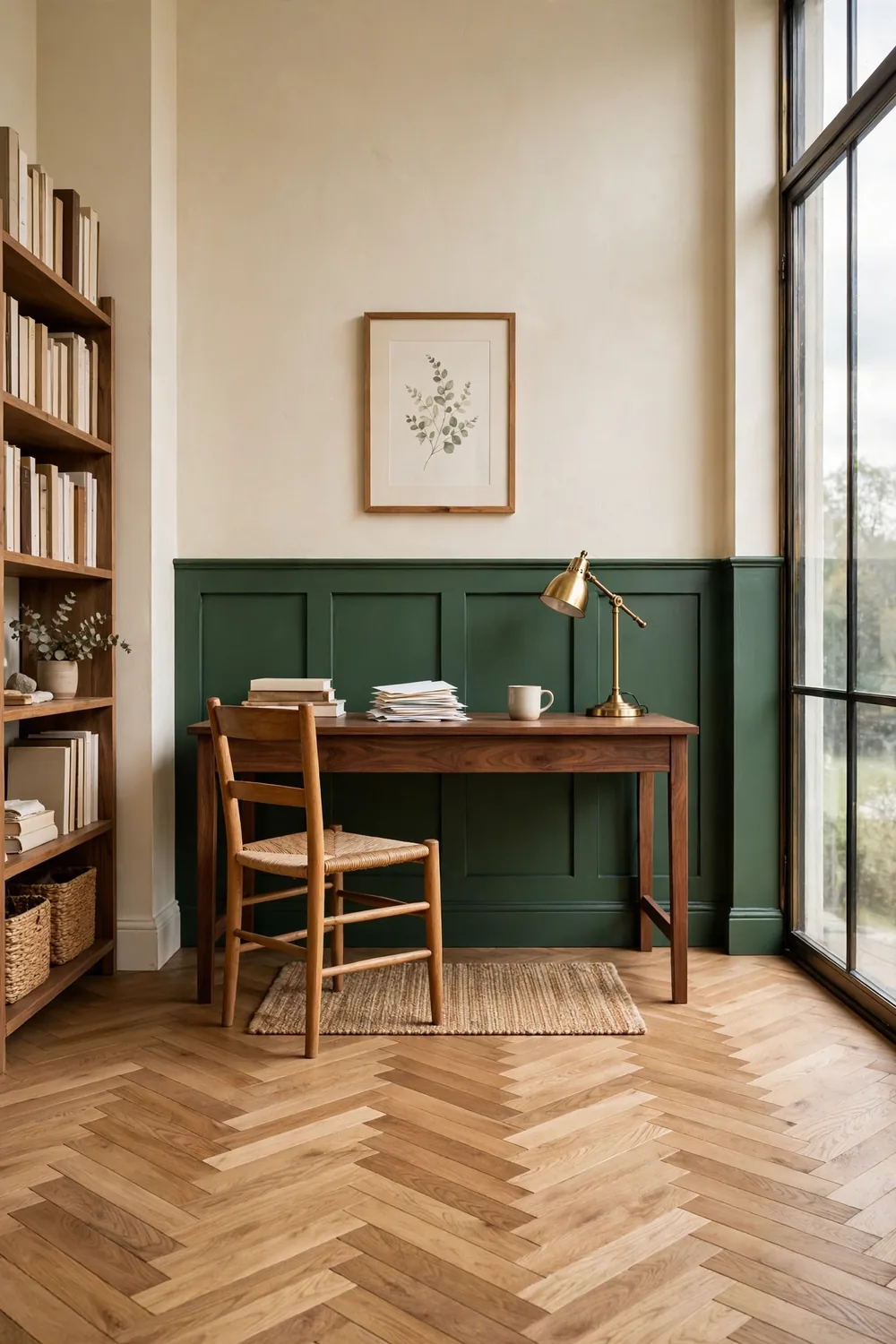
Dark green paneling turns a plain study into a room with gravity. Paint the lower half of the walls in a deep forest or hunter green, and keep the upper wall a warm cream. The split keeps the room from closing in. Use satin paint so the panels catch the daylight with a soft sheen.
Set a walnut desk against the paneled wall with a brass task lamp. Hang one framed print above the desk to break the green without fuss. The look suits small studies because the dark lower walls recede while the cream top half lifts the ceiling. Add a wood chair to finish the corner.
4. A Gallery Wall of Vintage Frames

Ornate frames are the fastest way to get an old-world wall. Hunt thrift stores for gold and brass frames in different sizes, then fill them with classical prints, old maps, or pages from damaged art books. Charcoal or deep gray walls make the gold glow.
Lay the frames on the floor first and play with the layout until it pleases you. Hang the biggest frame slightly off center for a collected feel, like the wall grew over time. Use small brass hooks and a level to keep rows tidy. Add one small wall sconce above the group.
5. An Antique Globe and Old Maps
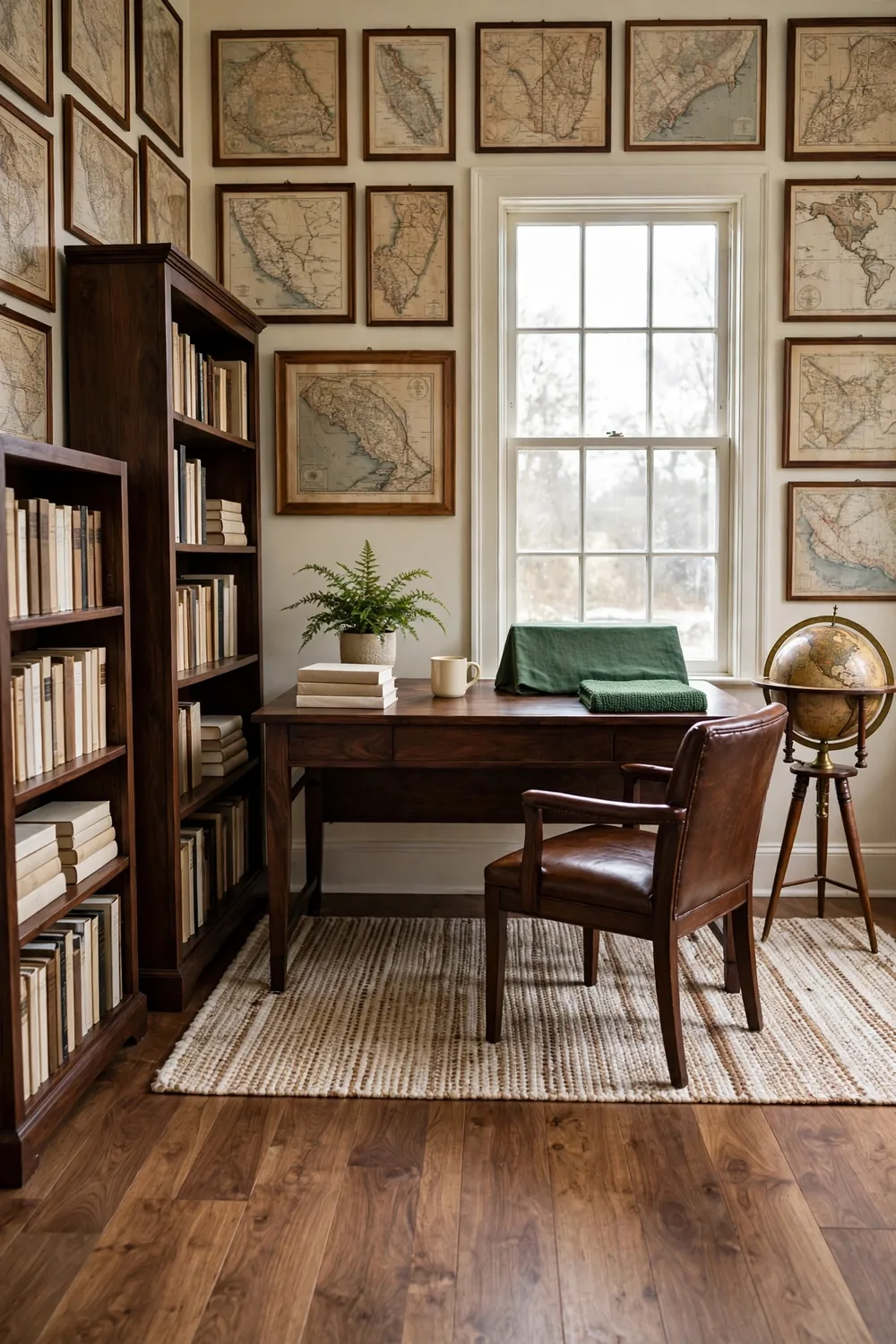
A globe on a stand gives any study instant character, like a professor’s office from another century. Place it beside a dark wood desk where daylight hits it. Pair it with framed maps on the wall, old cities and coastlines. The round shape softens all the straight lines of shelves and desks.
Thrift stores and flea markets sell vintage globes for little money, so check there first. If a stand globe costs too much, a small desktop globe works the same magic. Tuck an atlas with a plain cloth cover on the desk beside it.
6. Brass Candlesticks, Lit by Day
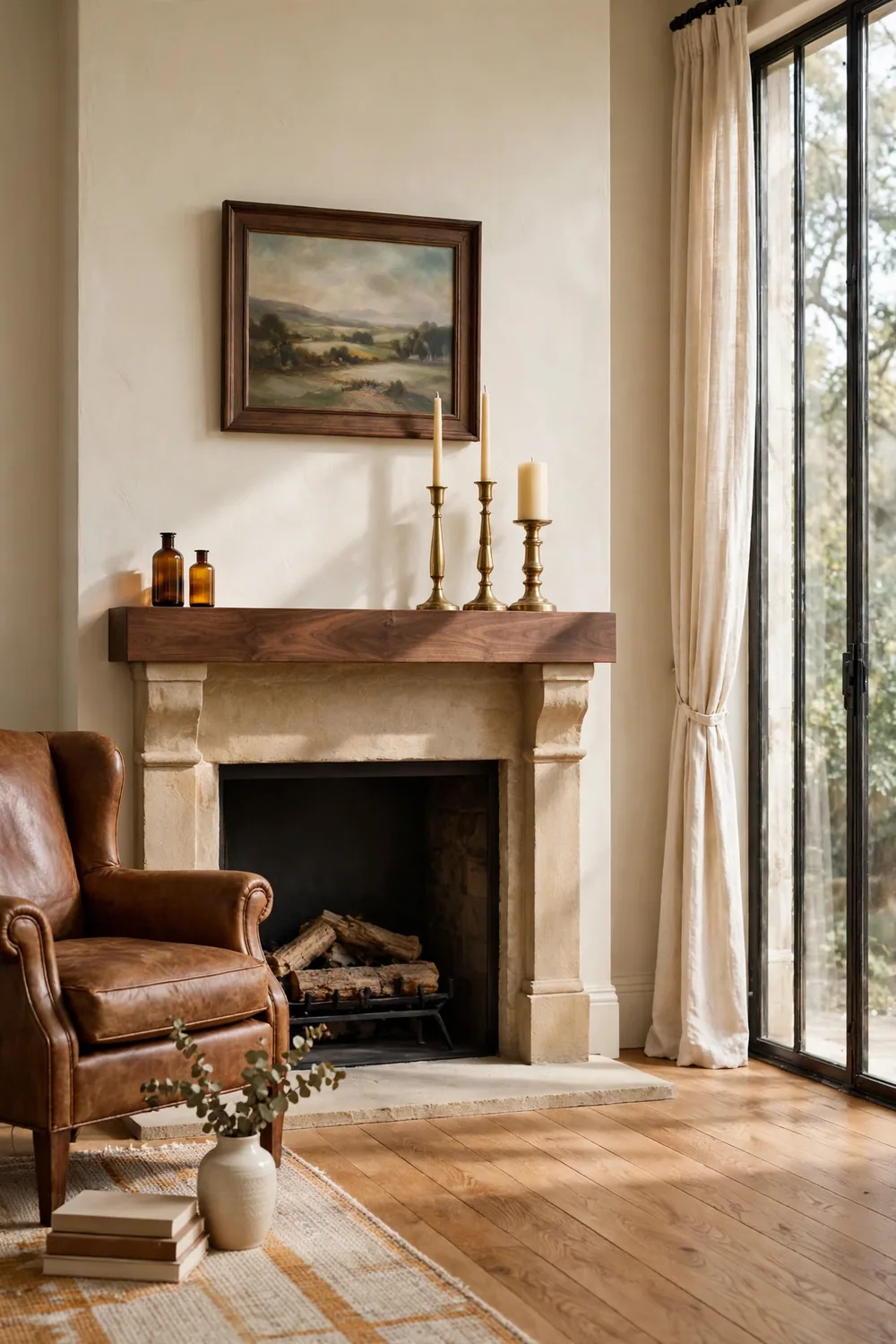
Candlesticks bring old-house charm even when the candles stay unlit. Group three brass candlesticks of different heights on a mantel or sideboard, and let daylight do the work. The metal catches the sun and throws soft gleams across the wall. Cream or ivory candles keep the look calm and classic.
Mix slim tapers with one chunky pillar for shape variety. Wipe the brass with a soft cloth now and then to keep it glowing. If you light the candles, use a sturdy holder and keep them away from curtains and books. Even unlit, the grouping reads as a finished vignette.
7. Heavy Velvet Curtains
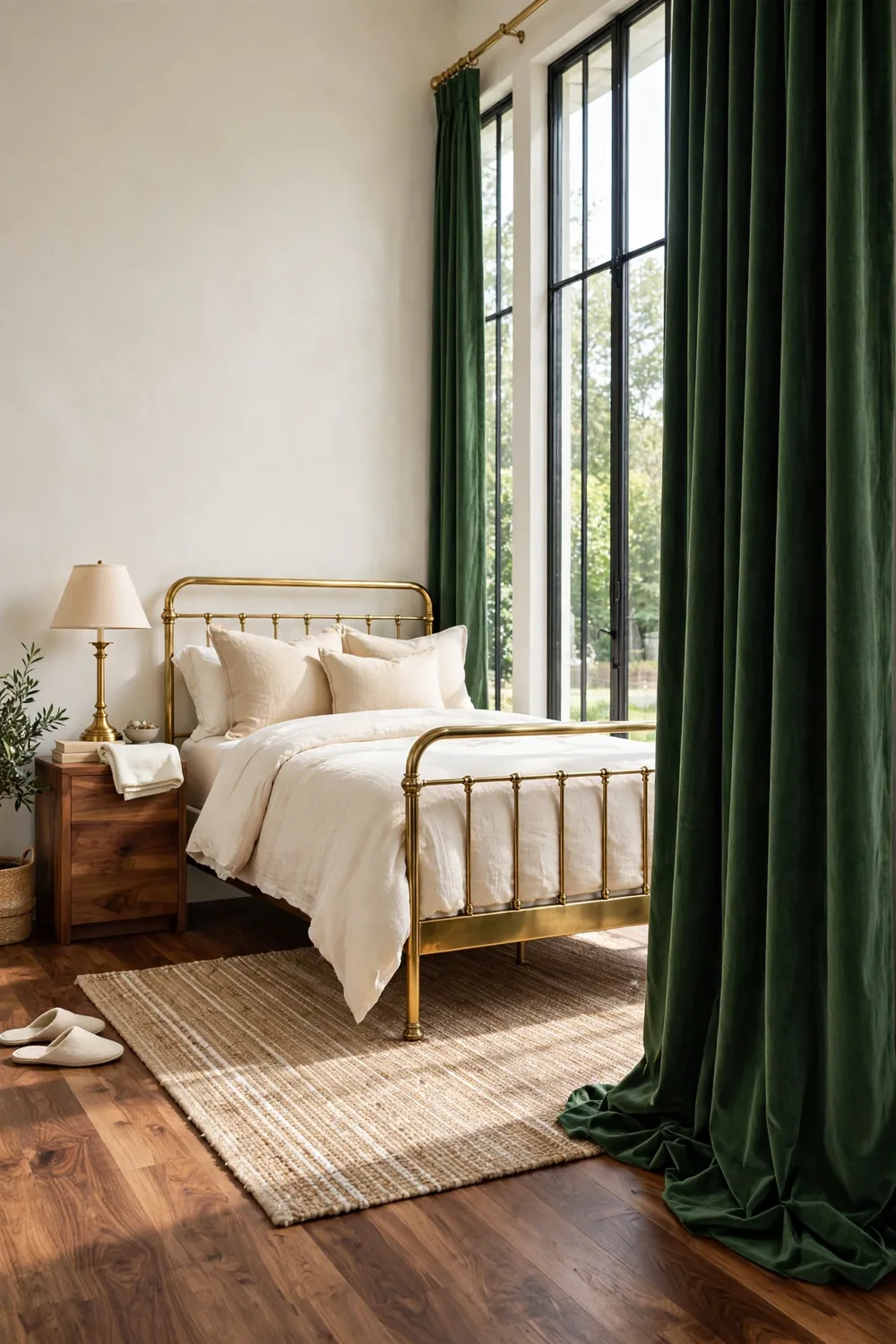
Floor-to-ceiling velvet curtains are the backbone of a moody room, and they work in daylight too. Choose forest green, oxblood, or deep navy, and hang the rod close to the ceiling so the fabric pools just slightly on the floor. The weight of the velvet softens sound and makes the whole room feel settled.
Line the curtains in cream so the back looks neat from outside. A brass or dark wood rod suits the style better than a plain metal one. Keep the window glass clean since bright daylight against dark fabric is the whole effect. When the curtains are open, they frame the view like a painting.
8. Stacks of Clothbound Books
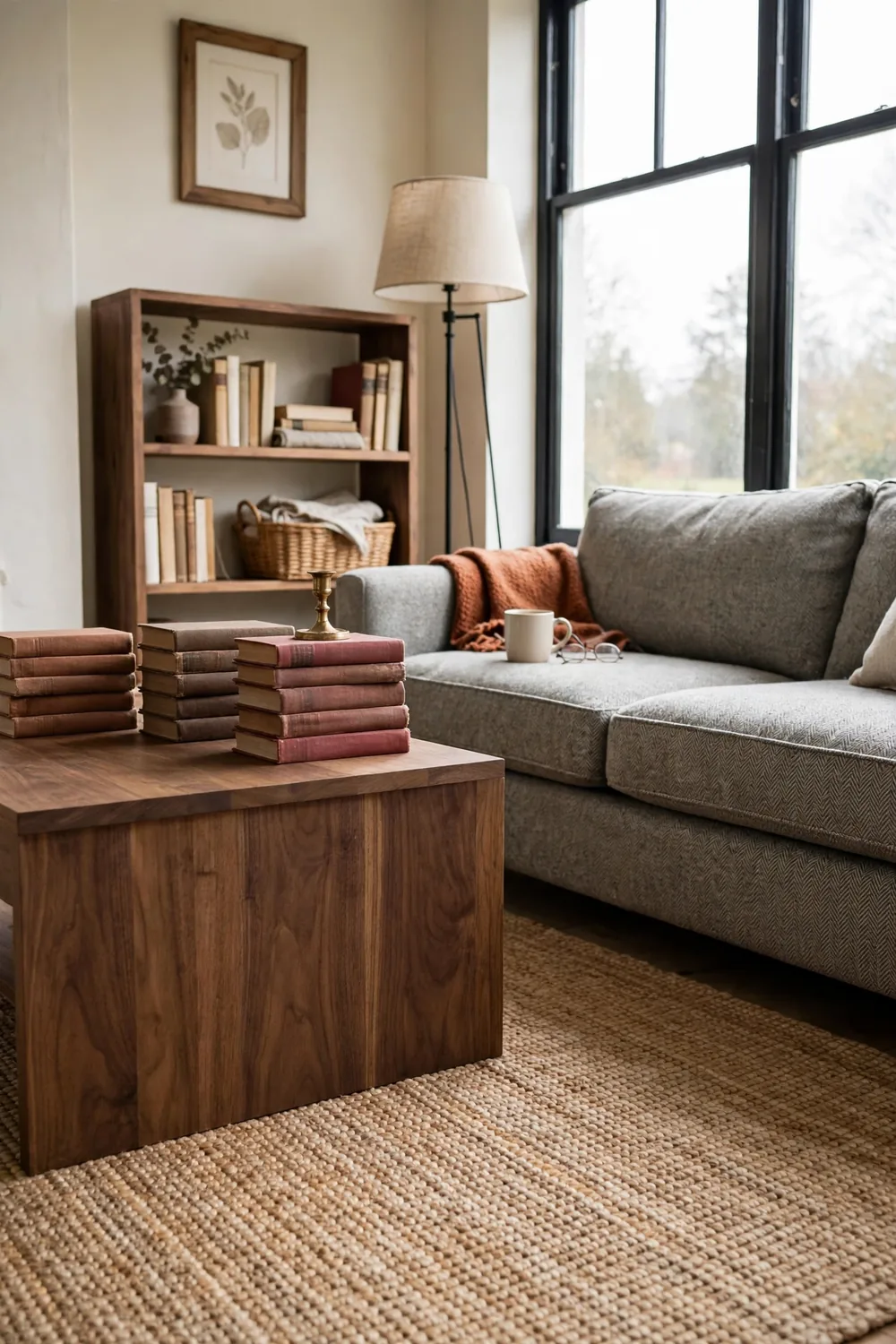
Old books with cloth covers are decor all by themselves. Stack them in piles of three to five on a coffee table, a nightstand, or a deep windowsill. Turn the spines so the plain cloth shows and any worn titles face the wall. The muted reds and browns of old bindings add color without trying.
Top one stack with a small brass candlestick to finish the look. Keep another stack beside your reading chair so the books look used and loved. Thrift stores sell clothbound books for a dollar or two, so this is a cheap idea to repeat.
9. A Carved Wooden Chess Set
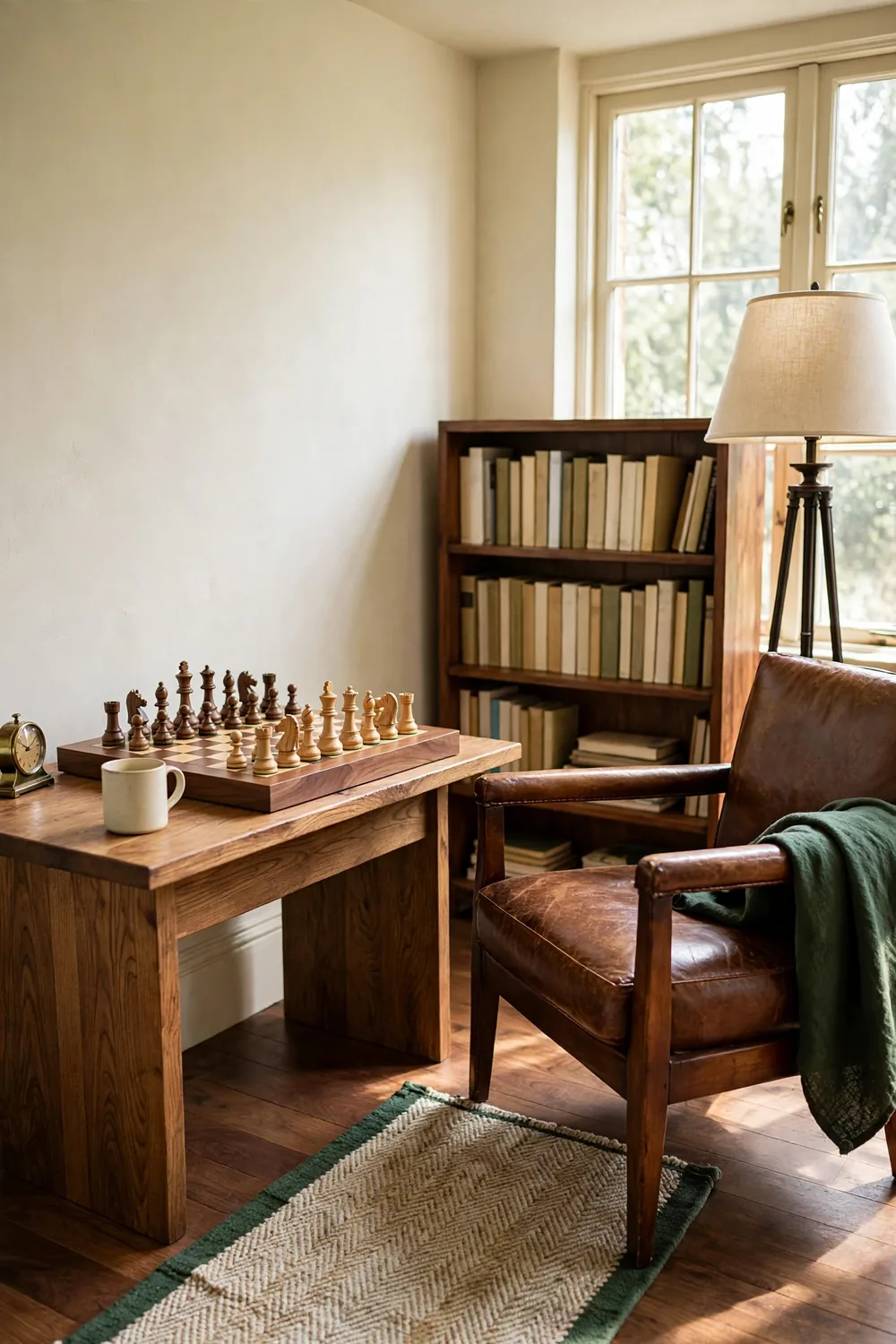
A chess set left mid-game is pure dark academia. Set a carved wooden board on a side table or desk, with the pieces placed like a game in progress. Walnut and maple pieces look best against a dark wood table. Keep the board near a chair so it invites a match.
Thrift stores often carry wooden sets for under ten dollars, so this idea costs little. Wipe the pieces with a dry cloth and keep the board out of damp spots. If you don’t play, arrange the pieces in starting rows for a tidy look.
10. A Writing Desk With Fountain Pens
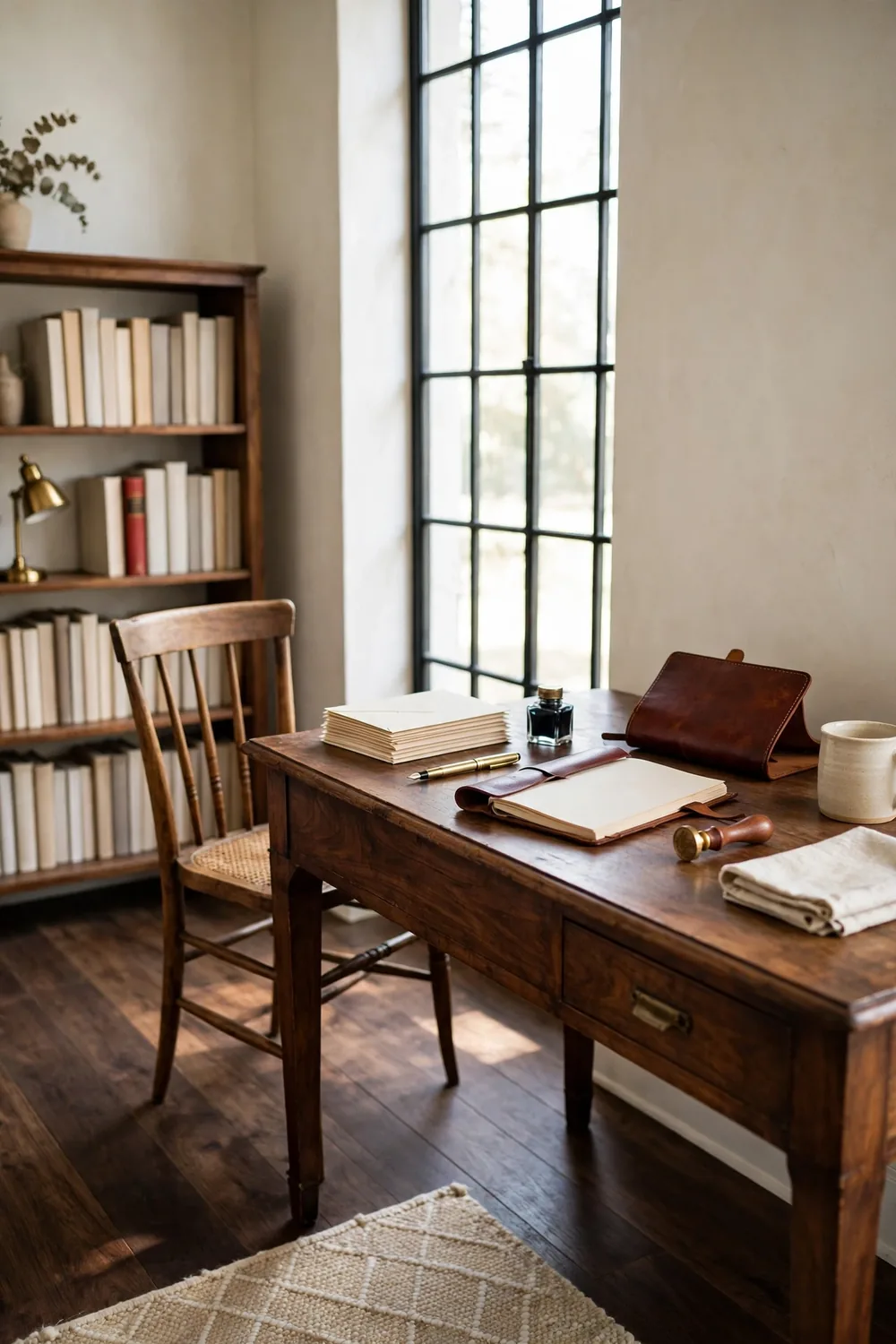
A small writing desk set for letters is the soul of the style. Choose a walnut or mahogany desk with one drawer, and place it where daylight falls across the top. Lay out a fountain pen, an ink bottle, and a stack of cream envelopes. The tools themselves become the decoration.
Add a wax seal stamp and a small dish of seals in deep red for color. Keep a leather-bound journal open to a blank page, since a desk should look ready for use. Store extra paper in the drawer so the top stays clear. Write one letter a week and the desk will earn its place.
11. Dark Floral Wallpaper

A dark floral paper gives one wall the drama of an old manor. Pick a pattern with deep blooms on a near-black ground, and hang it on a single accent wall. Keep the other walls a warm cream so the room stays bright and open.
This works best behind a bed, a dining table, or a sofa where the pattern gets a clear stage. Match one color from the paper, like dusty rose or sage, in a throw or cushion. Paste-the-wall papers make the job easier for beginners. Live with a sample taped up for a few days before you commit.
12. A Layered Persian Rug
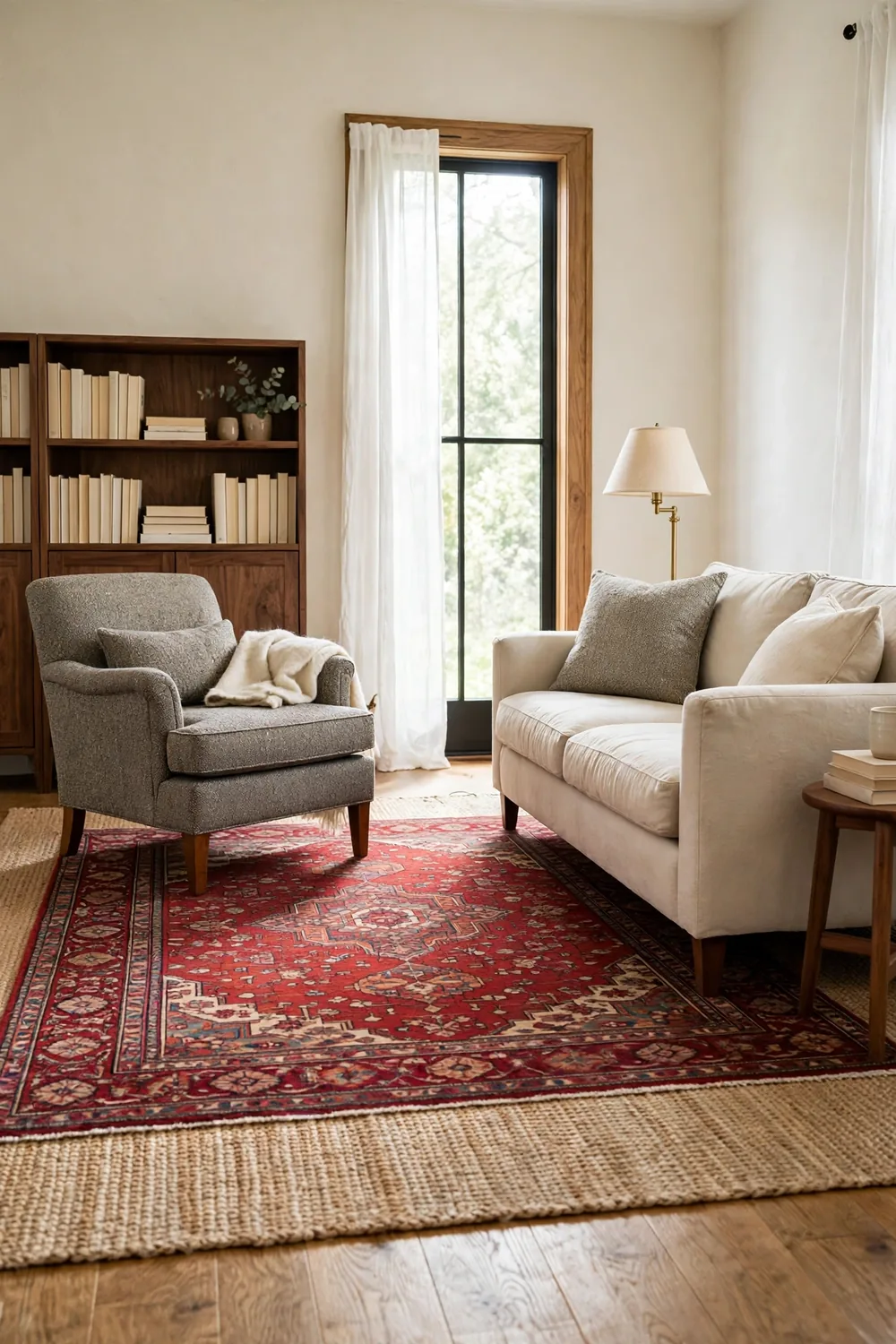
A Persian rug over bare wood is the quickest way to warm a dark academia room. Choose deep reds or rust patterns, and let the rug cover most of the seating area. Layer a smaller rug over a large jute one for depth if your floor feels cold. The pattern hides wear, which suits busy homes.
Place the front legs of the sofa and chairs on the rug so the furniture feels grouped. Vacuum weekly and rotate the rug twice a year for even wear. Thrift stores and estate sales hide real wool rugs for a fraction of store prices. Shake it outside in spring to freshen the fibers.
13. Amber Apothecary Jars
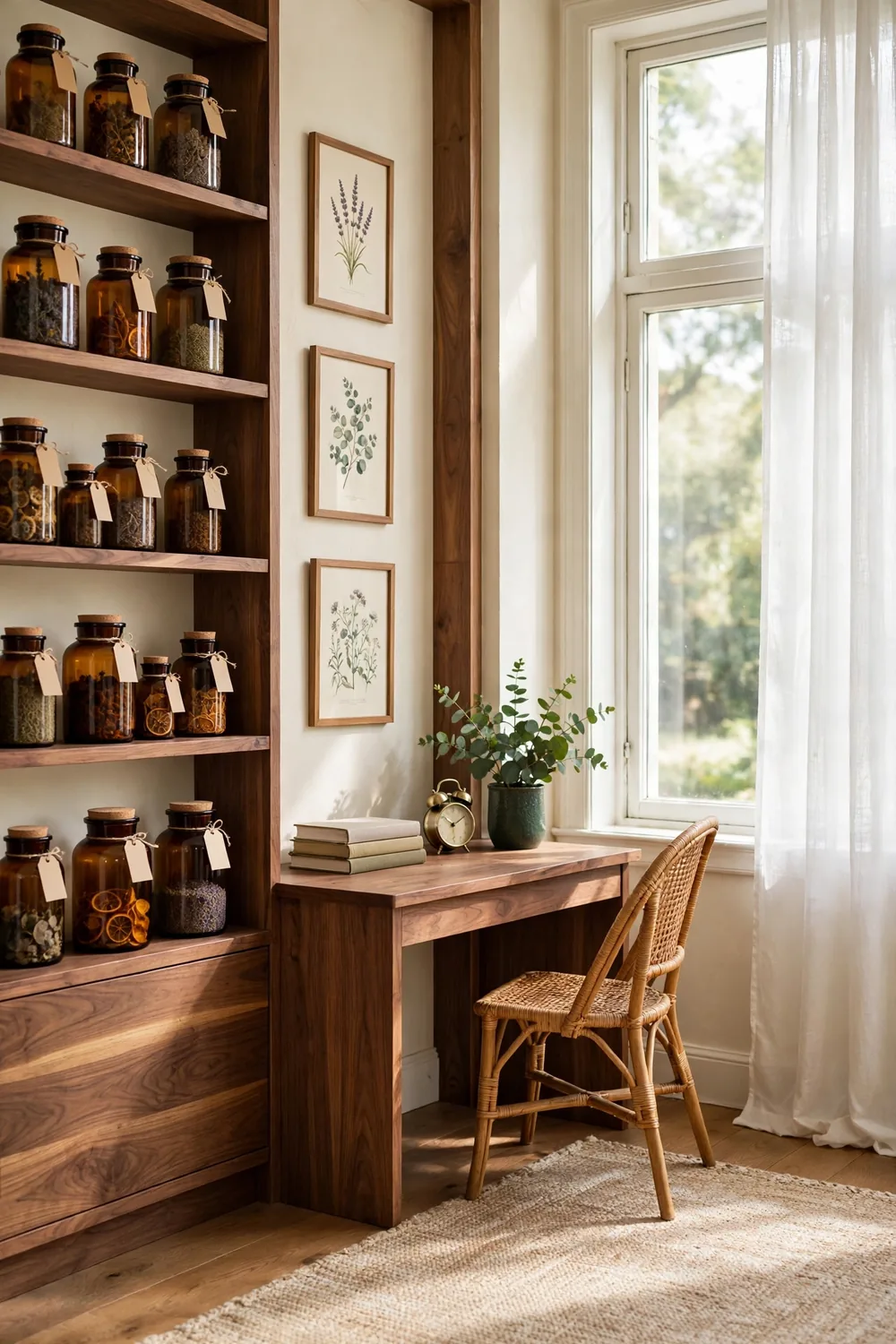
Amber glass jars on a shelf give a study old-pharmacy charm. Fill them with dried lavender, whole spices, or pinecones, and line them along walnut shelves. The amber glass glows when daylight passes through it. Keep the jars the same height for a tidy row, or mix heights for a collected feel.
Label the jars with small kraft tags tied on with twine for a vintage look. Wipe the glass monthly since dust shows fast on amber. Place the shelf where you see it daily, like above a desk, so the jars earn their spot. This is a cheap idea, since empty jars cost little at thrift stores.
14. A Tufted Velvet Sofa
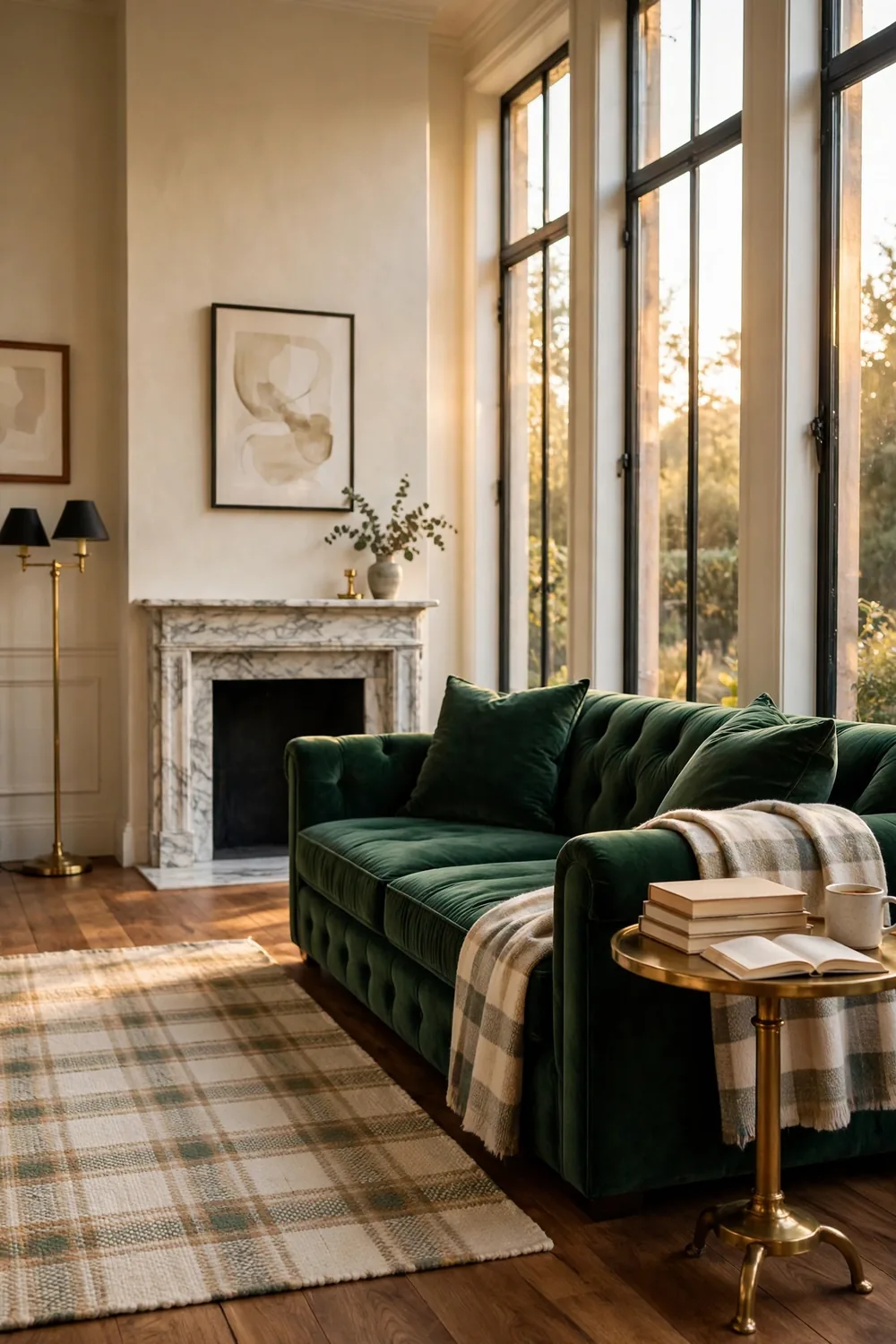
A deep-buttoned velvet sofa is the showpiece of a dark academia living room. Emerald or oxblood velvet both suit the style, so pick the color that lifts your room. The tufting catches daylight and shadow in a way flat fabric can’t. Keep the cushions plump with a weekly shake.
Pair the sofa with a brass side table and a small stack of art books. A wool throw in a muted plaid softens the formal look. Vacuum the velvet with a soft brush head to keep the nap smooth. This is a bigger buy, so test the seat depth in the store before you order.
15. Framed Botanical Prints
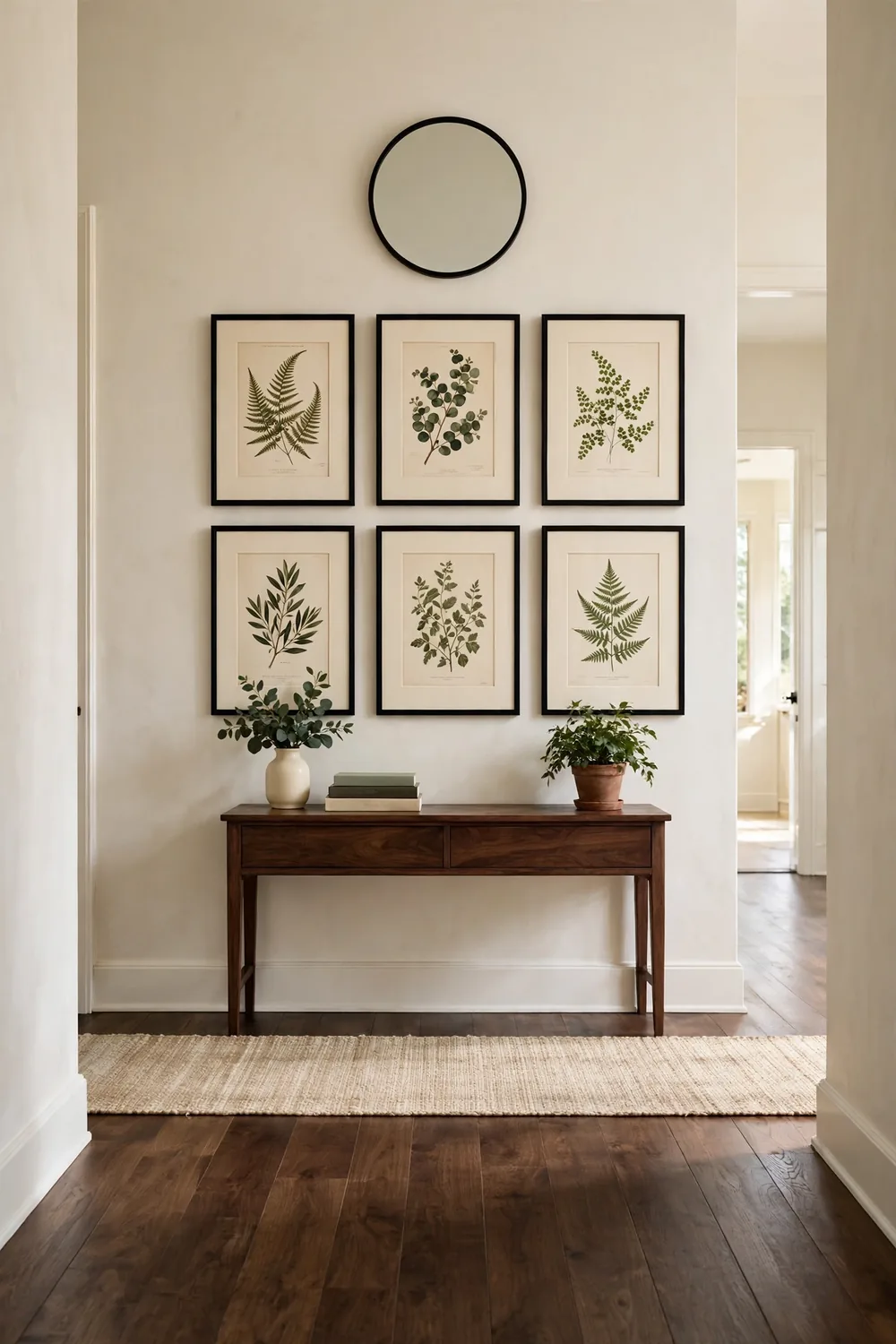
Botanical prints bring a naturalist’s study to any wall. Choose vintage-style plant illustrations in thin black frames with wide cream mats. Hang them in a neat grid of four or six over a console table. The green of the leaves softens dark walls without breaking the mood.
Flea markets and old books yield real vintage prints for little money. Keep the frames identical so the group reads as one set. Hang the center of the grid at eye level, about 57 inches from the floor. Wipe the glass with a dry cloth so daylight reflects cleanly.
16. A Built-In Window Reading Nook
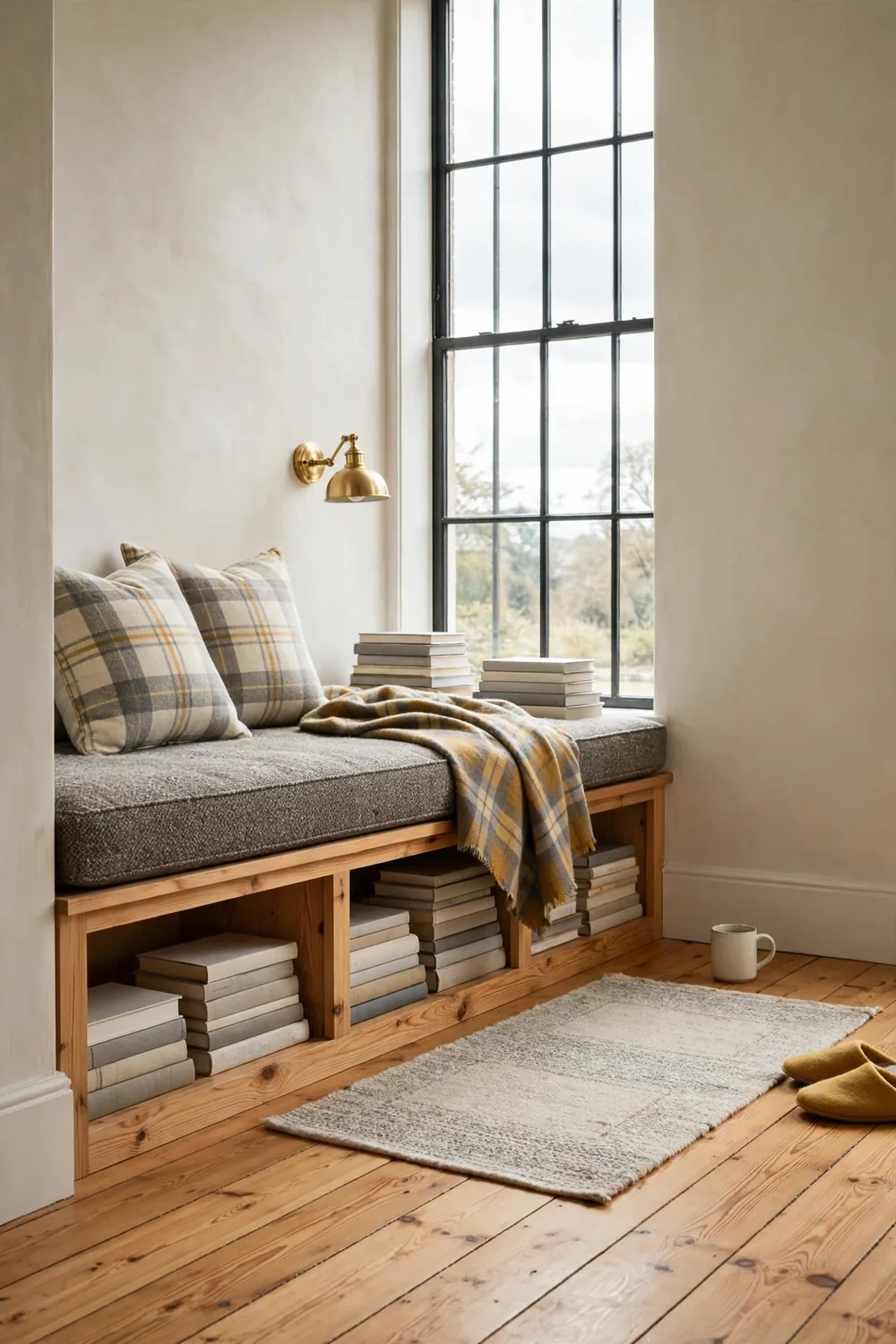
A window seat turns dead space into the best seat in the house. Build or buy a low bench under a tall window, and top it with a deep cushion in tweed or plaid. Add two firm pillows for back support and one soft throw. Bright daylight makes this the natural reading spot by day.
Store books in cubbies under the seat so your current reads stay close. A small brass wall lamp above the seat gives light for gray days. Keep the cushion covers washable, since this seat gets daily use. Even a wide sill with a thick pad works if a built-in is out of reach.
17. A Brass Tea Cart
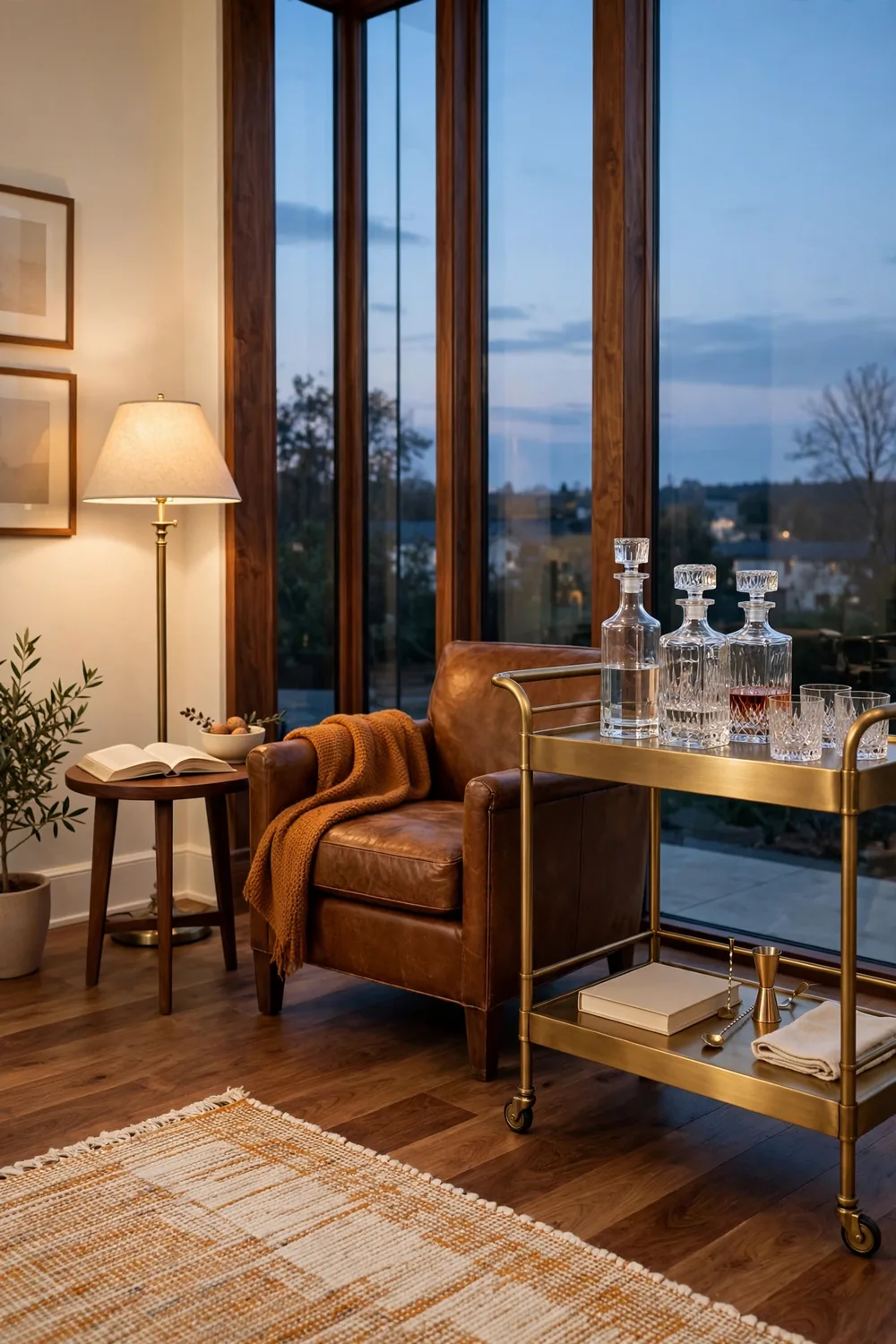
A brass tea cart adds old-library polish to a living room corner. Stock it with a teapot, crystal carafes of iced tea, and small glasses for serving, and rest a cloth-bound book with a plain cover on the lower shelf. Keep the top styled and uncluttered. The brass frame catches daylight and warms the whole corner.
Roll the cart near your reading chair when guests come over, then tuck it back after. Wipe the brass monthly to keep it bright. Add a small tin of loose tea and a jar of honey for guests. One cart is plenty, so don’t crowd it with extra trays.
Frequently Asked Questions
What colors work best for dark academia decor?
Deep greens, oxblood red, espresso brown, and charcoal form the core palette, with brass and warm wood as the metals and materials. Cream and warm white keep the rooms bright enough for daily life. Start with one dark color on a single wall or a large piece of furniture, then repeat it in small doses around the room. Too many dark shades at once can close a small room in, so let lighter tones do the balancing work.
How do you get a dark academia bedroom on a budget?
Thrift stores are your best source here, since old books, brass frames, and wood furniture cost little secondhand. Start with bedding in deep green or rust, then add one thrifted piece at a time. A stack of clothbound books on the nightstand and a framed print above the bed change the whole feel for under thirty dollars. Paint is the cheapest big move, so try one dark accent wall behind the bed.
Can dark academia work in a small apartment?
Yes, and it often works better there, since the style loves cozy corners. Pick one wall for bookshelves or a gallery of frames, and let the rest stay simple. A leather chair, a floor lamp, and a Persian-style rug can turn a single corner into a reading nook. Keep walkways clear and daylight flowing, and even a studio will feel rich and layered.
How do you keep dark colors from making a room gloomy?
Daylight is the answer, so keep windows uncovered or use sheer curtains under the velvet ones. Cream ceilings and light rugs bounce light around dark walls. Brass and mirrors add gleam without adding color. If a corner still feels heavy, move a lamp there or hang one light-framed print to lift it.
One More Thing
Dark academia is a style you build slowly, one book and one brass frame at a time. Start with the idea that caught your eye, then let the room grow around it. Your home will gain the quiet, bookish feel of a well-loved library.