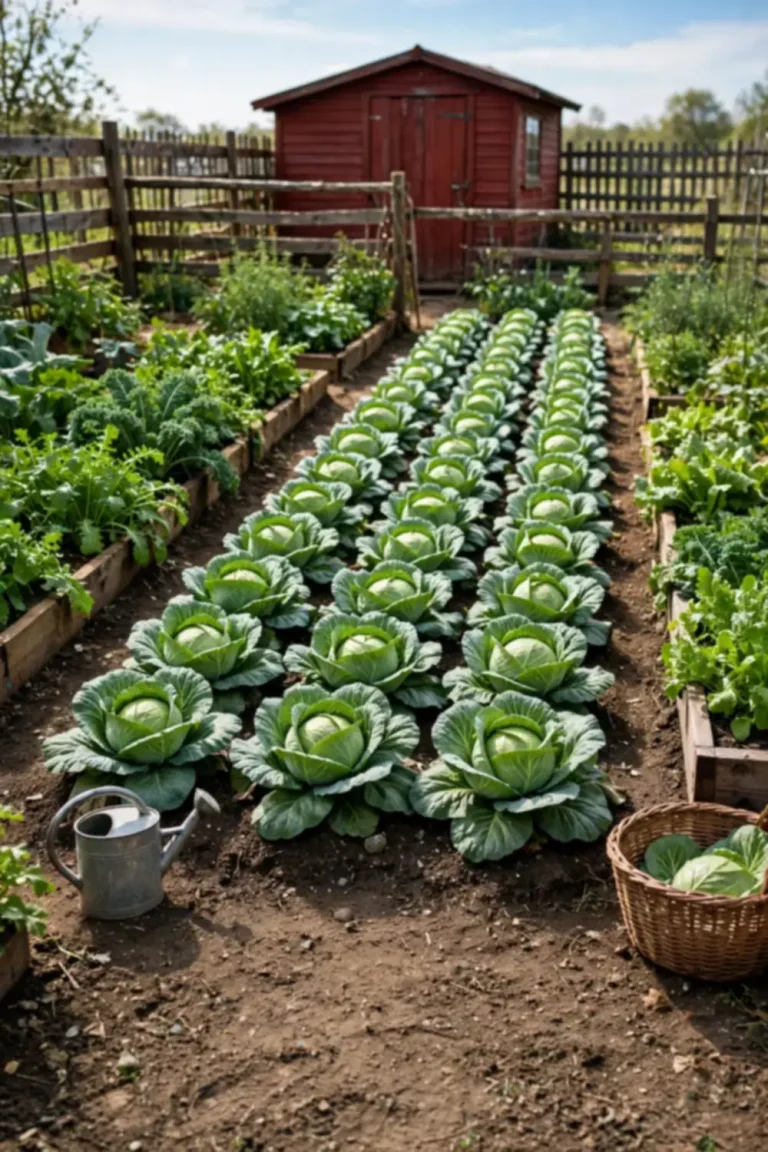

How to Care for a Fiddle Leaf Fig
That tall, glossy tree in the corner looks like it should be easy. Then a leaf turns brown, two more drop, and the whole plant seems to sulk. You are not alone in this.
Good fiddle leaf fig care comes down to a few steady habits, and this guide walks through each one in order. A fiddle leaf fig, also called ficus lyrata, wants bright light without harsh sun, water only when the soil dries, and a calm spot away from cold drafts. It dislikes change more than most houseplants, so once you find a good place for it, leave it there.
Follow these steps and your tree can push out big, healthy leaves for years. Most store-bought trees are young plants in small pots, so the early months set the tone for everything that follows.
Find the Brightest Indirect Light
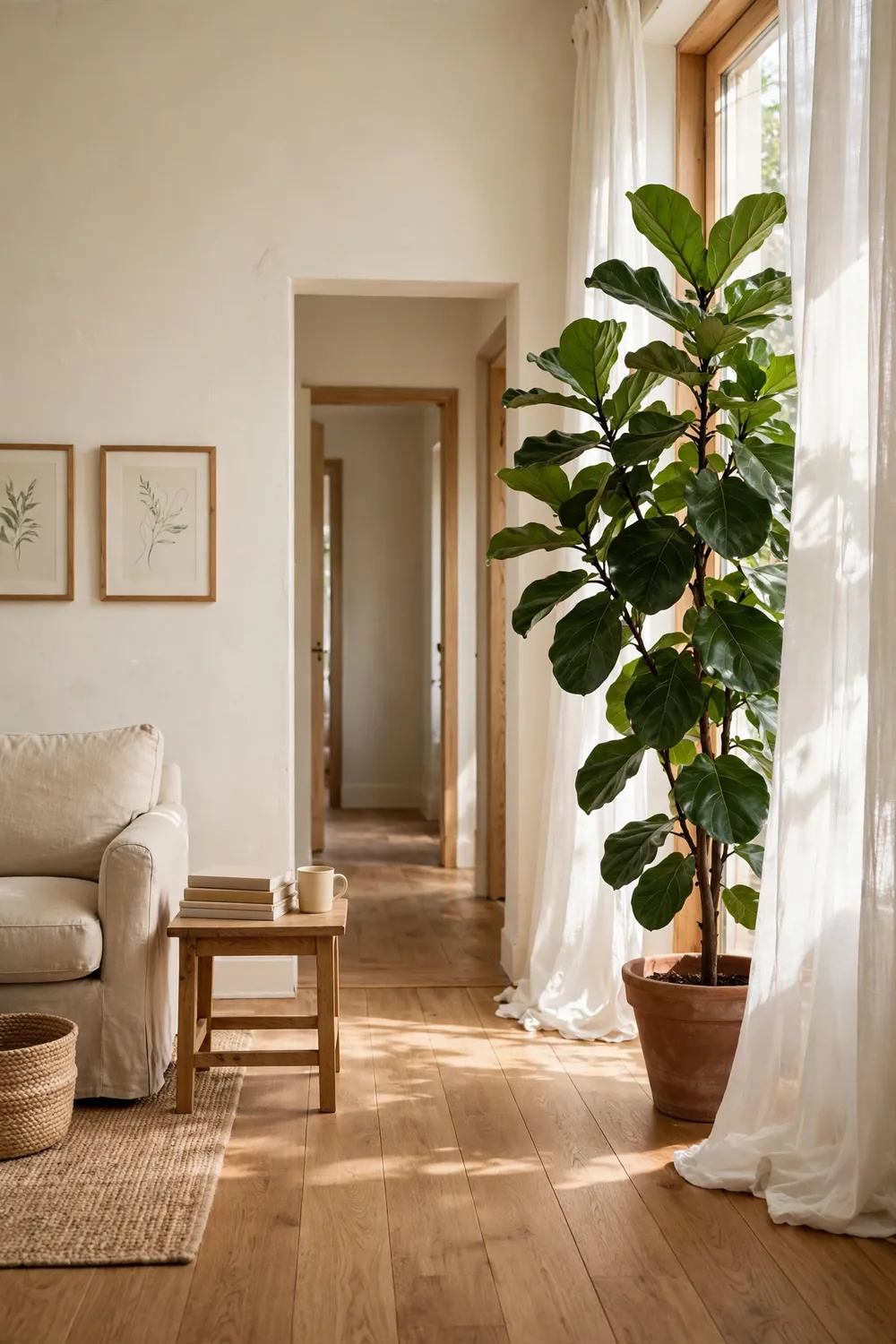
Light shapes how your tree behaves more than anything else. Place the pot near a bright window where the sun never hits the leaves directly. An east window with soft morning sun works well. A spot a few feet back from a south or west window works too. Hang a sheer curtain in between. Too little light slows growth and makes leaves drop. Harsh afternoon sun burns brown patches into the leaves. Watch new leaves for clues about the light level. Small, pale growth means the tree wants more light, and scorched edges mean it gets too much. Without a bright window, a grow light on for ten to twelve hours a day keeps the tree going strong. Keep the pot out of dark hallways and corners. The tree notices a light change fast and drops leaves when it happens.
Water When the Top Soil Dries Out

Overwatering kills more fiddle leaf figs than anything else. Push your finger about two inches into the soil before every watering. If it feels dry at that depth, water deeply until it runs from the drainage holes. If it still feels damp, wait a few days and check again. Most indoor trees need water every seven to ten days in spring and summer. In fall and winter, every two to three weeks is enough. Your home’s light and heat can change that pace, so trust the soil over the calendar. Empty the saucer after every watering, because roots sitting in water rot fast. Room-temperature water works best, since cold water can shock the roots. The tree responds to soil moisture, and the calendar day matters far less.
Use a Fast-Draining Potting Mix
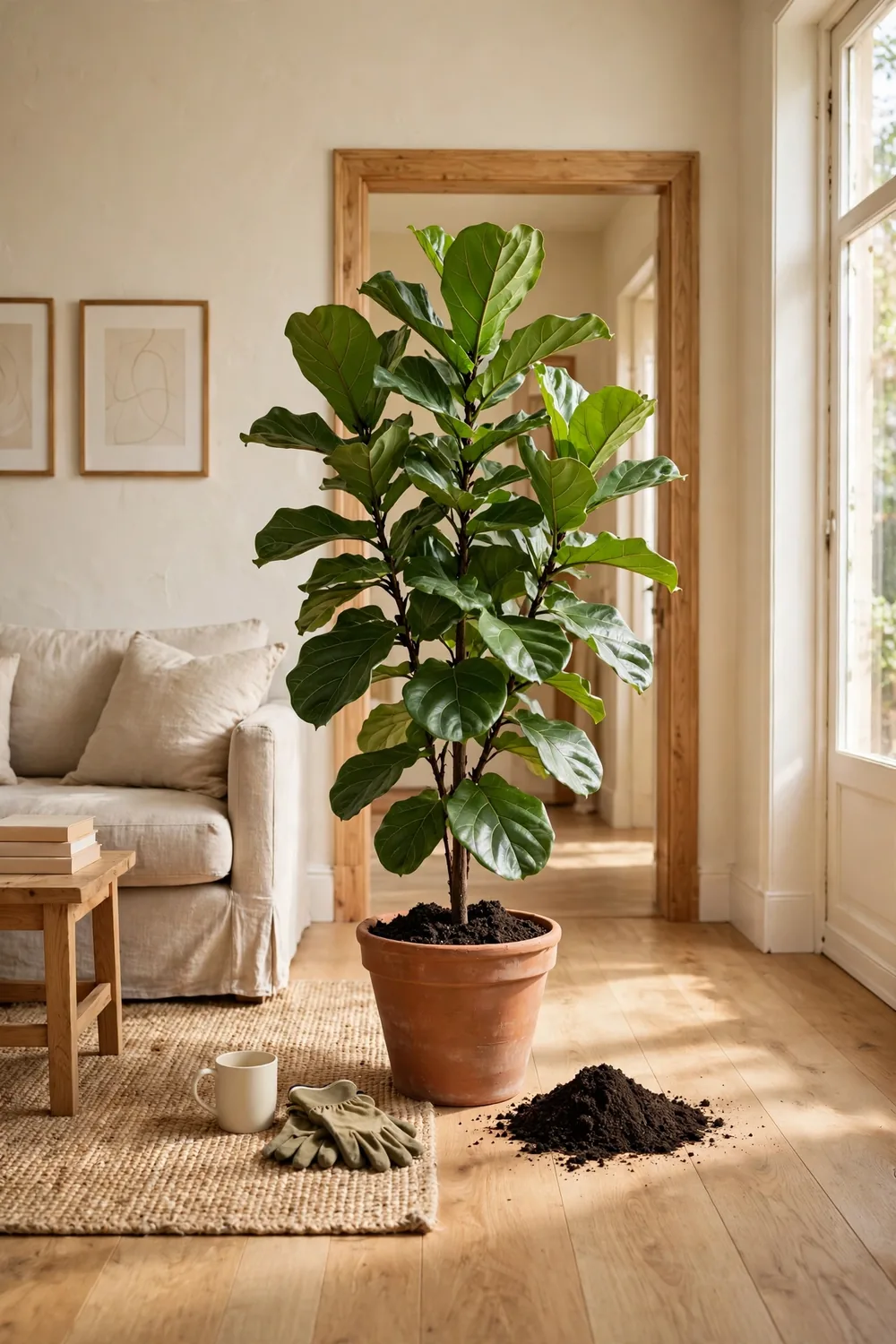
The roots need air as much as water. A dense, heavy mix holds water too long and invites root rot. Mix two parts indoor potting soil with one part perlite or coarse bark for easy drainage. Choose a pot with at least one drainage hole, sized only one to two inches wider than the root ball. A pot that is too large holds extra soil that stays wet for weeks. Clay or terracotta pots dry out faster than plastic. That suits growers who tend to water often. When you pot the tree, set it at the same depth it grew before and never bury the trunk deeper. A thin layer of bark chips on top looks nice. Keep it away from the trunk so moisture does not sit against the bark.
Keep the Air Warm and Humid

This tree comes from warm, humid regions, and dry indoor air stresses it. Keep the room between 60 and 80 degrees. Never let cold air from a door or window hit the leaves. Heating vents and air conditioner blasts dry the air fast. Keep the pot a few feet away from both. In winter, heaters dry the air quickly, so a small humidifier near the tree makes a clear difference. Aim for humidity around 40 to 60 percent. Grouping the tree with other plants helps a little. A pebble tray of water under the pot helps too. Just keep the pot above the water line. Skip daily misting as your main plan, since wet leaves invite fungal spots and the moisture fades within minutes.
Dust the Leaves and Rotate the Pot
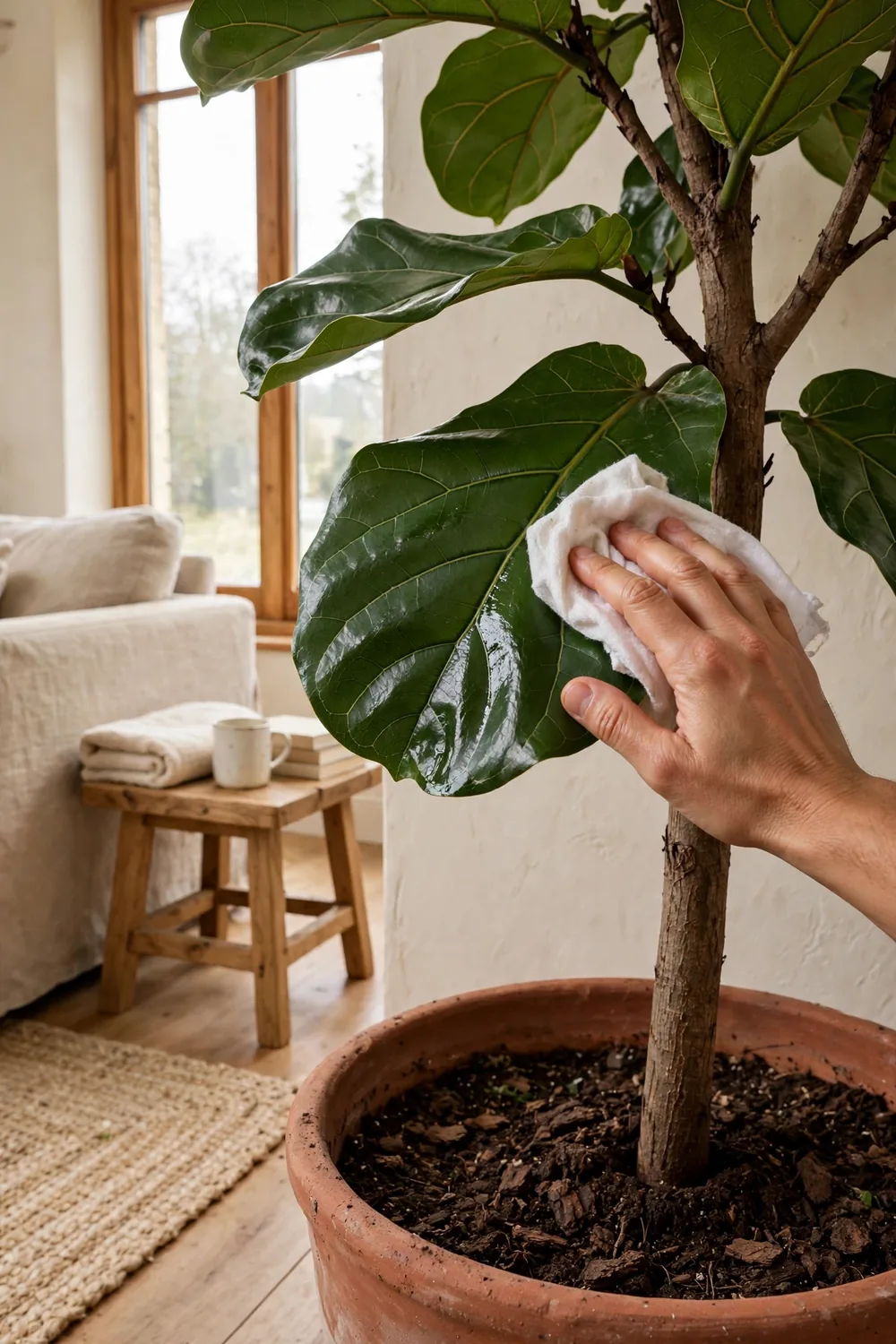
Big leaves collect dust fast, and dust blocks the light the tree needs. Wipe each leaf every two to four weeks with a soft, damp cloth. Hold the leaf up from below with your other hand so it does not tear. Clean leaves absorb more light. They also show problems earlier, like tiny pests or the first brown edge. While you dust, give the pot a quarter turn. The side facing the window grows faster, so rotating keeps the shape full and even on all sides. Do the turn on the same day each month so it becomes a habit. Some growers mark the pot with a small dot to track the rotation. If the tree leans toward the light between turns, that is normal. The next quarter turn will balance it out.
Feed Lightly and Repot When Needed
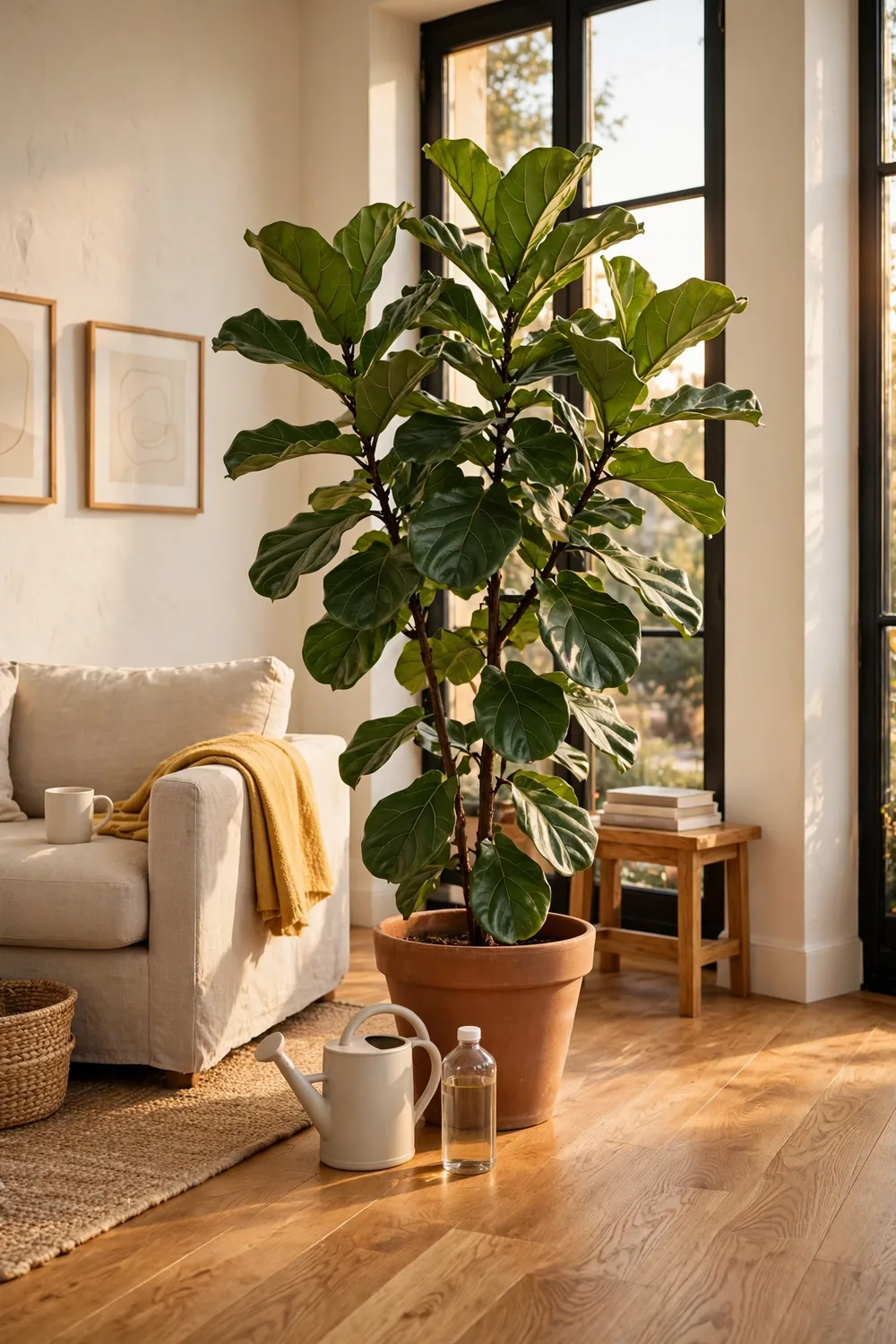
Feed the tree during its growing season, from early spring through late summer. A balanced liquid plant food at half strength, given every four to six weeks, is enough. More food does not mean more growth. Heavy feeding burns the roots and browns the leaf edges. Stop feeding in fall and winter when growth slows. Repot every one to two years. Also repot when roots circle the pot bottom or push through the drainage hole. Move up only one pot size. Refresh as much old mix as you can without tearing the roots. Water well after repotting, then leave the tree alone for a week. A little leaf drop after the move is common. It usually stops once the roots settle.
Solve Brown Spots and Dropping Leaves

Brown spots with yellow edges usually point to overwatering or poor drainage. Check the soil moisture and make sure the saucer is empty. Then let the soil dry before the next watering. Small dry brown edges often mean the air is too dry or the tree got too much direct sun. Sudden leaf drop after a move is usually just stress. Keep light, water, and temperature steady, and new buds should appear within a few weeks. Check the undersides of leaves for tiny webs or sticky spots, which signal spider mites or scale. Wipe them off with a damp cloth or insecticidal soap. One safety note for pet owners: fiddle leaf figs are toxic to cats and dogs if chewed. Keep the tree out of reach or in a room pets cannot enter.
Frequently Asked Questions
How often should you water a fiddle leaf fig?
There is no fixed number of days that works in every home, so water when the top two inches of soil feel dry. In bright summer rooms that runs about weekly, while in winter every two to three weeks is normal. A moisture meter pushed into the pot gives a clear reading. Lifting the pot works too: a light pot means dry soil, while a heavy one means wait.
What should fiddle leaf fig care look like in winter?
Growth slows when days shorten, so cut back on water and stop feeding until spring. Move the tree a little closer to the window to make up for weaker light. Keep it away from cold glass and heating vents. Dry heated air causes most winter leaf drop, so run a humidifier nearby and wait to repot or prune until the growing season returns.
Is a fiddle leaf fig safe around cats and dogs?
No, the leaves and stems are toxic to cats and dogs when chewed, and can cause mouth pain, drooling, and stomach upset. Keep the tree on a tall stand or in a closed room if pets roam free. Watch for bite marks on lower leaves. Cats that chew leaves need a vet call, so if your pet chews plants often, pick a non-toxic plant for low spots instead.
Can a fiddle leaf fig regrow leaves it has dropped?
Bare stems can push out new leaves if the trunk and roots are still healthy. Keep giving the tree steady light and careful watering. Look for tiny green buds along the stem within a month or two. Do not cut the trunk down unless it feels soft or hollow, since that means that part is dead; some growers notch the stem above a leaf node to wake a sleeping bud, but patience and steady care work just as well.
Wrapping Up
A fiddle leaf fig rewards steady habits more than fancy tricks. Bright indirect light, water only when dry, warm humid air, and a calm spot away from drafts. That covers almost everything it needs. When trouble shows up, check water and light first, since those two solve most problems. Give your tree a few weeks to settle after any change.